01
A pool in the landscape
Private garden · water, stone and horizon
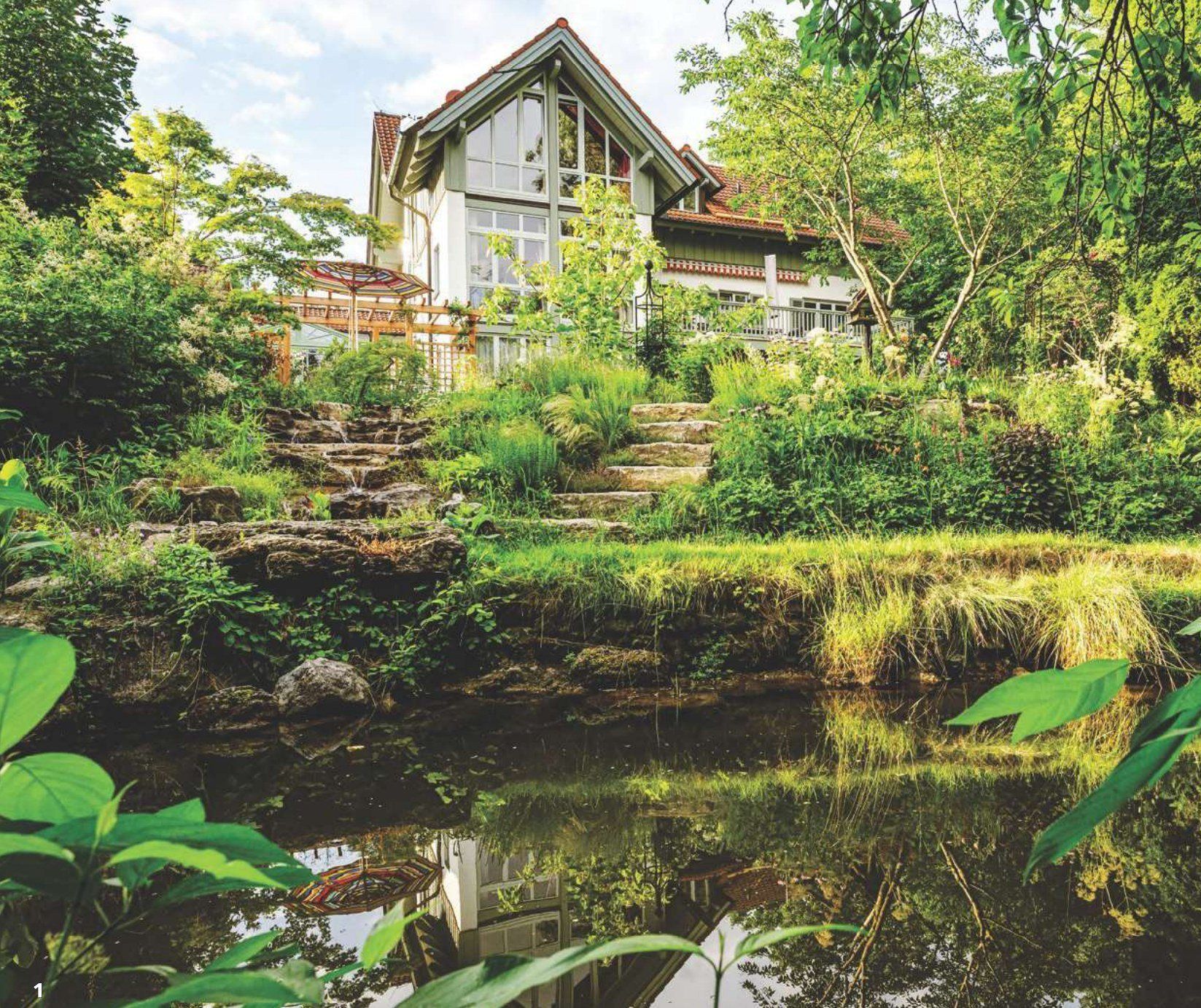
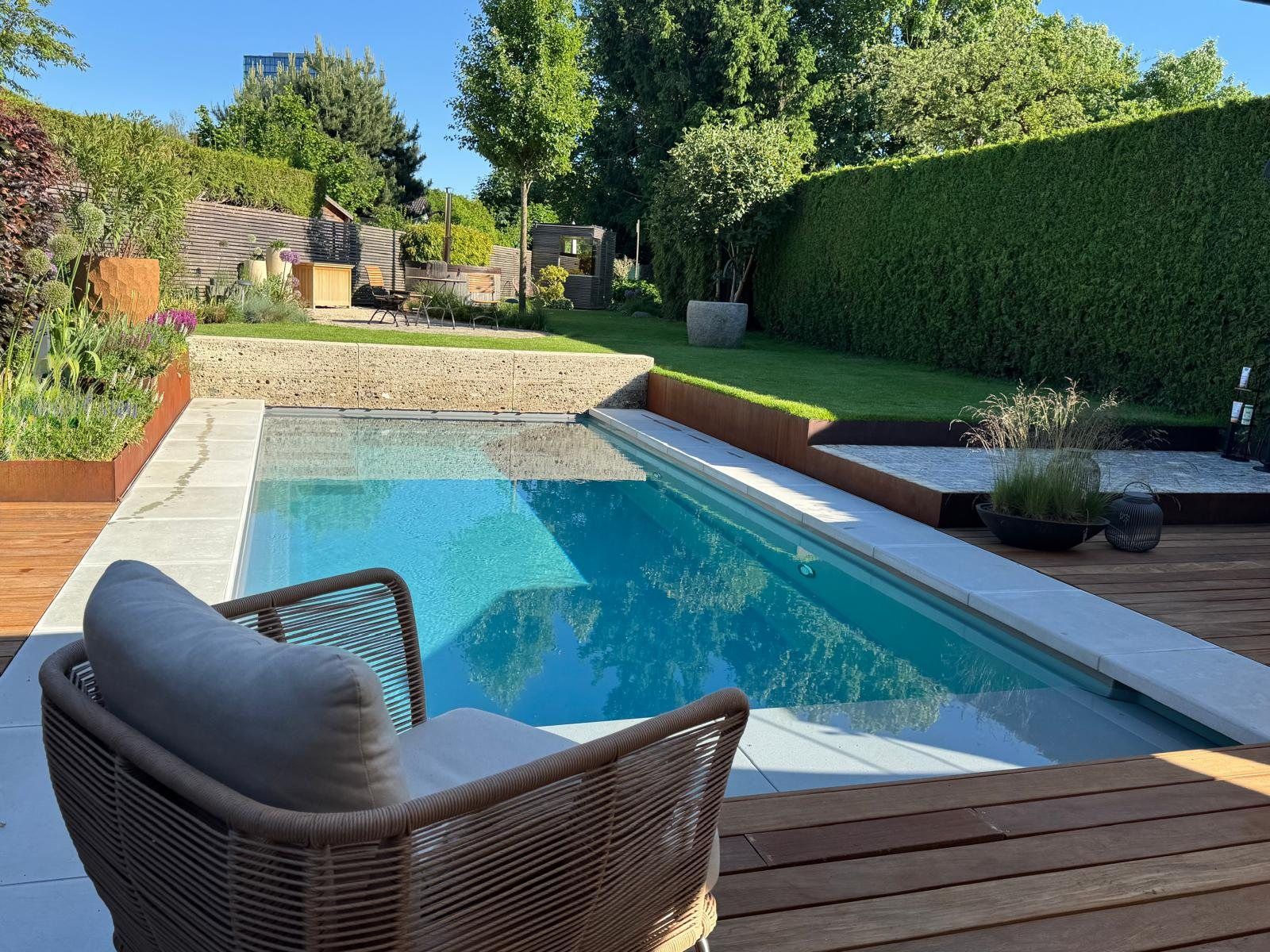
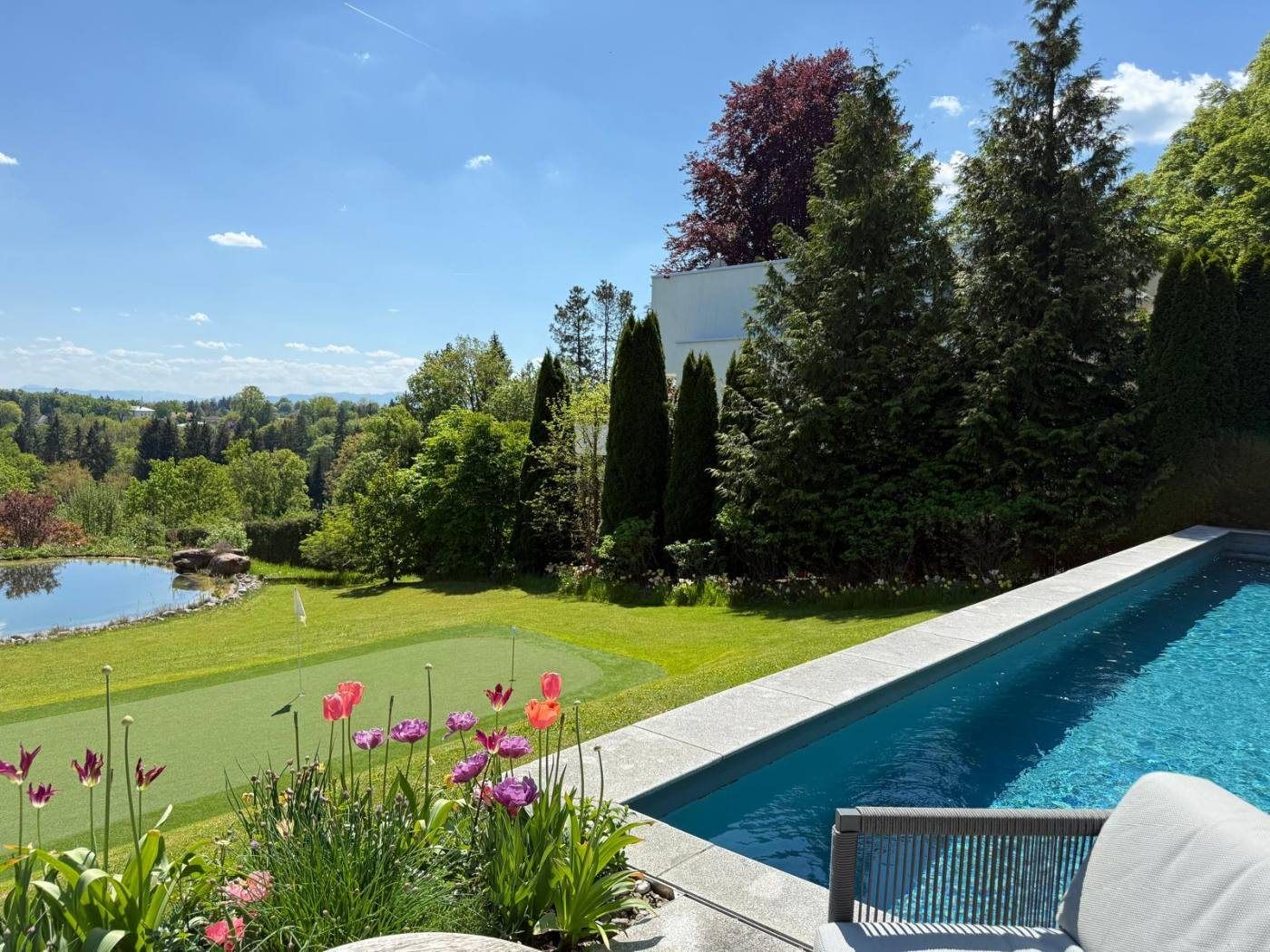
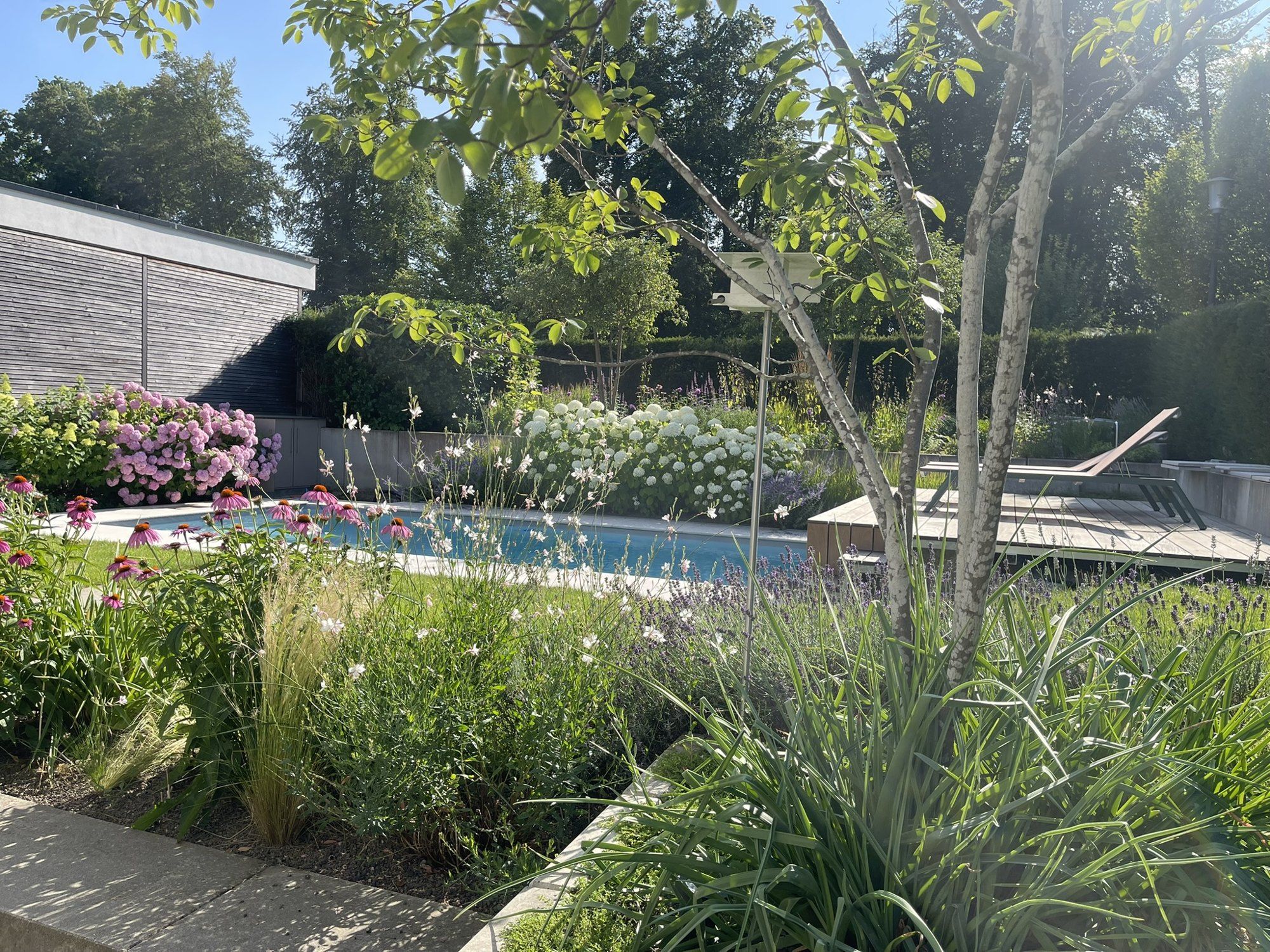
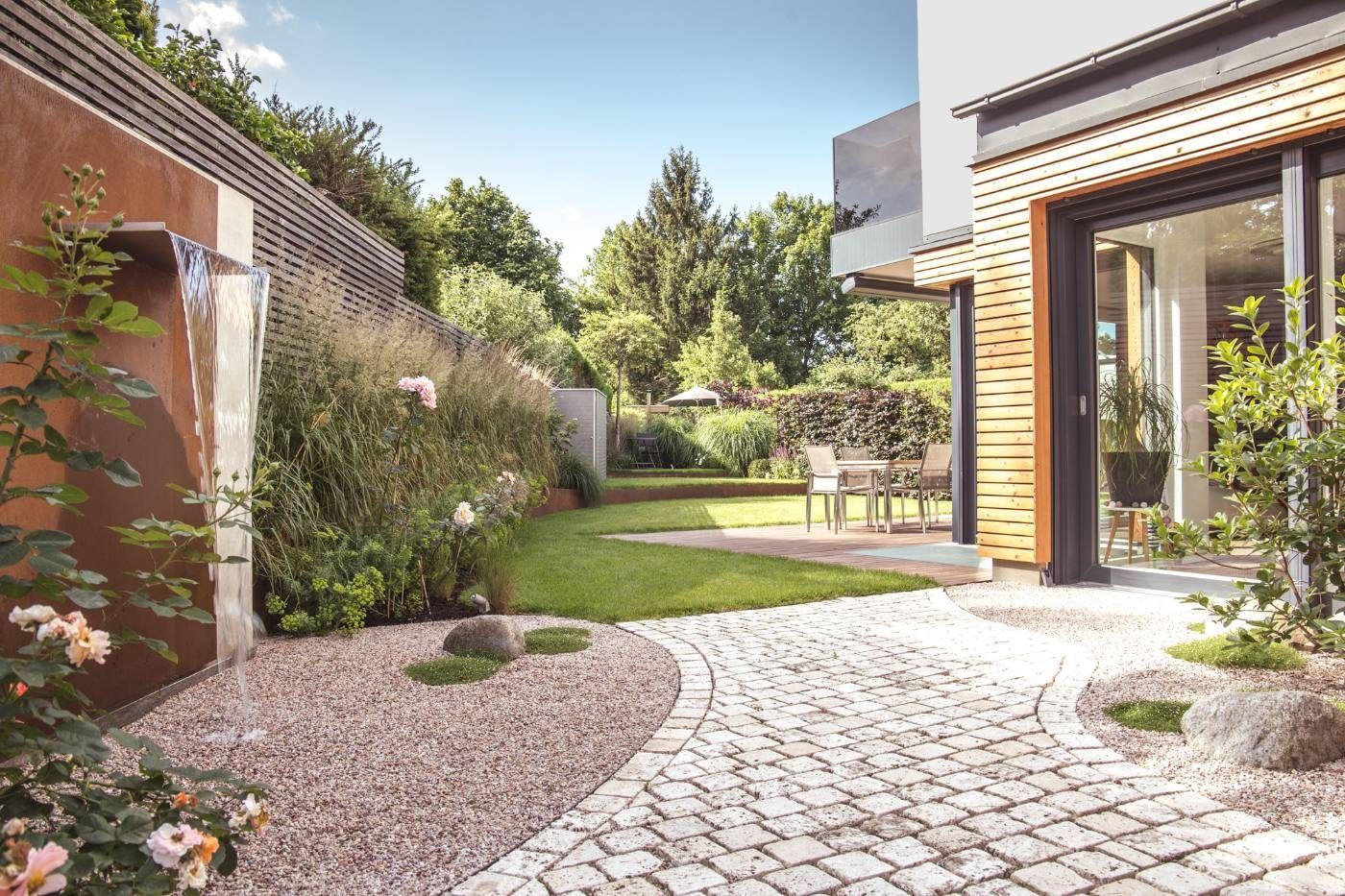
A pool that mirrors the sky. Alliums and catmint along the edge, warm wood underfoot, the eye running out to the horizon – a place for long summer days.
L’Architecture du calme
From the house, your eye opens onto green. Outside, a sheltered corner for quiet mornings and long evenings with friends. With every season the garden tells something new – without asking more care than you wish to give.
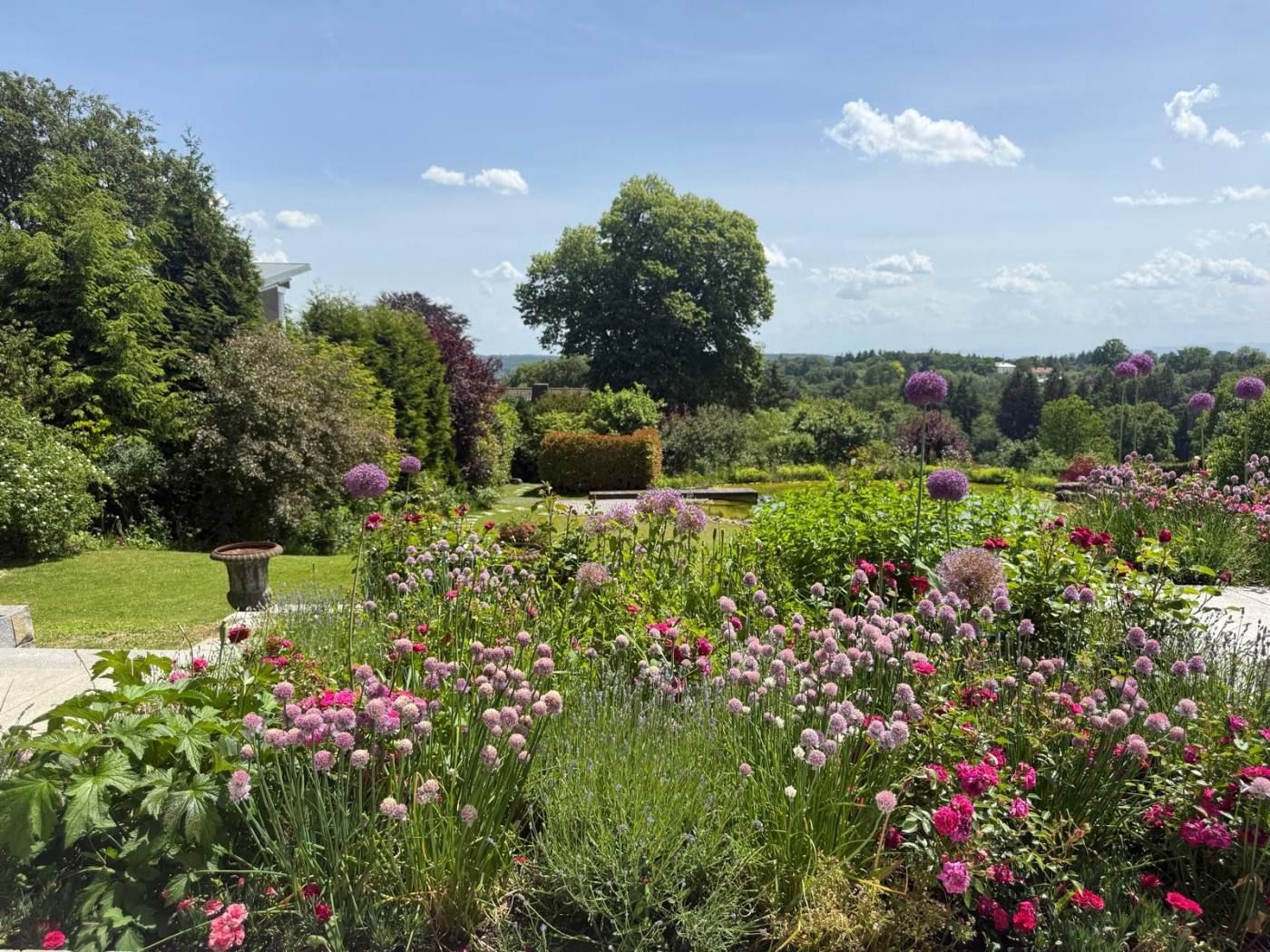
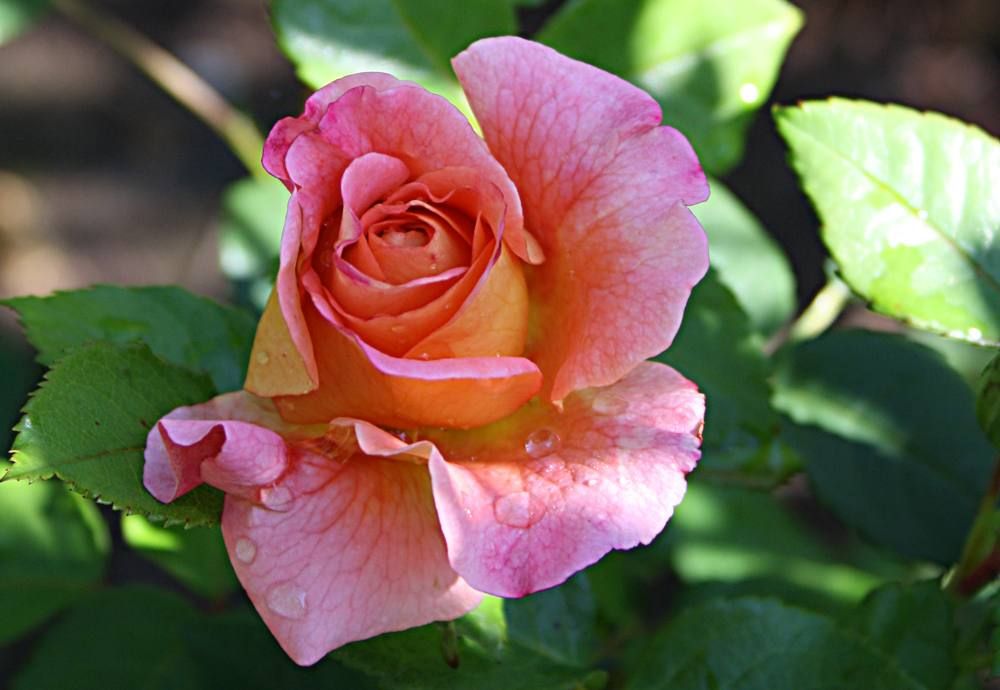
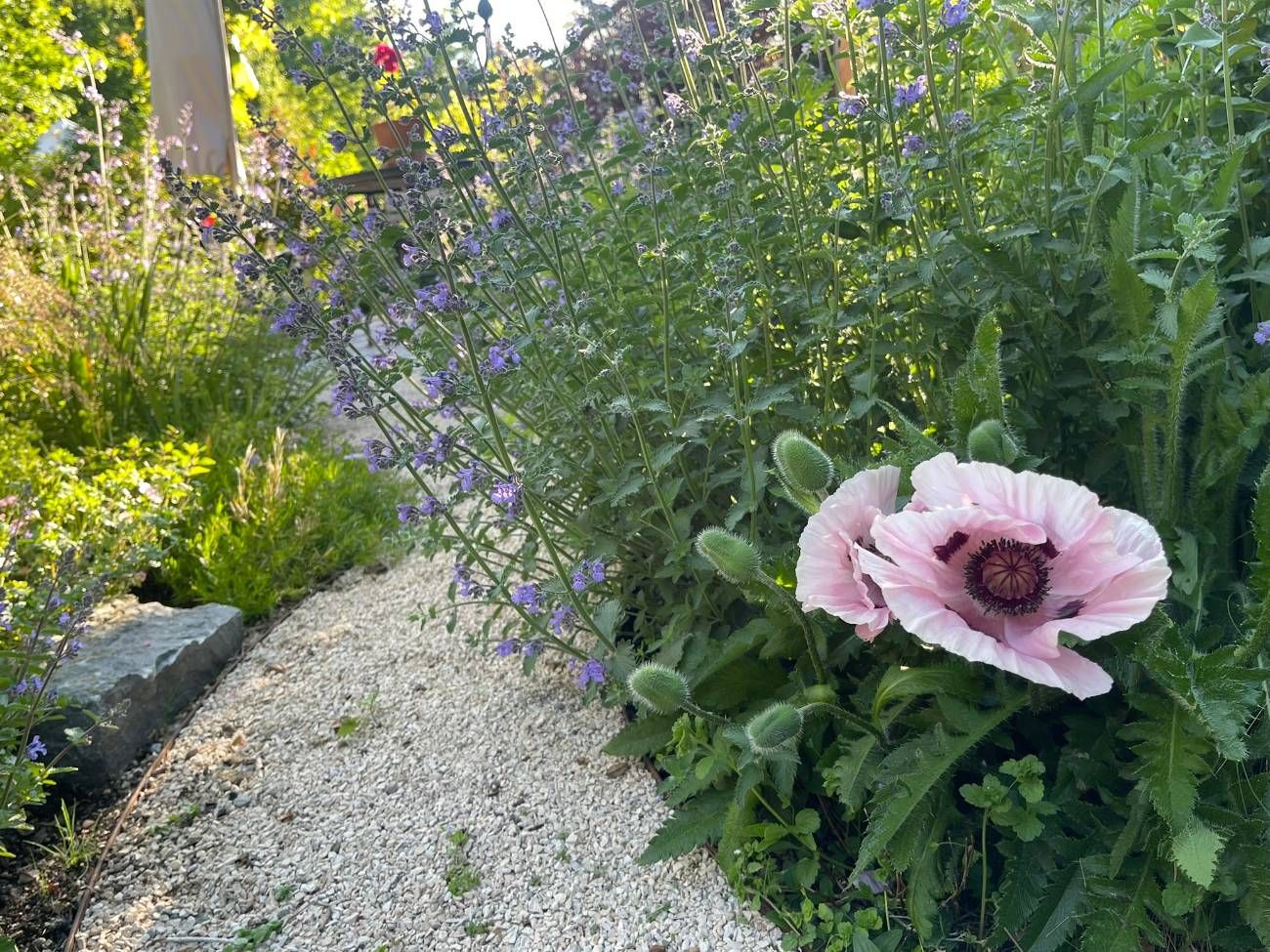
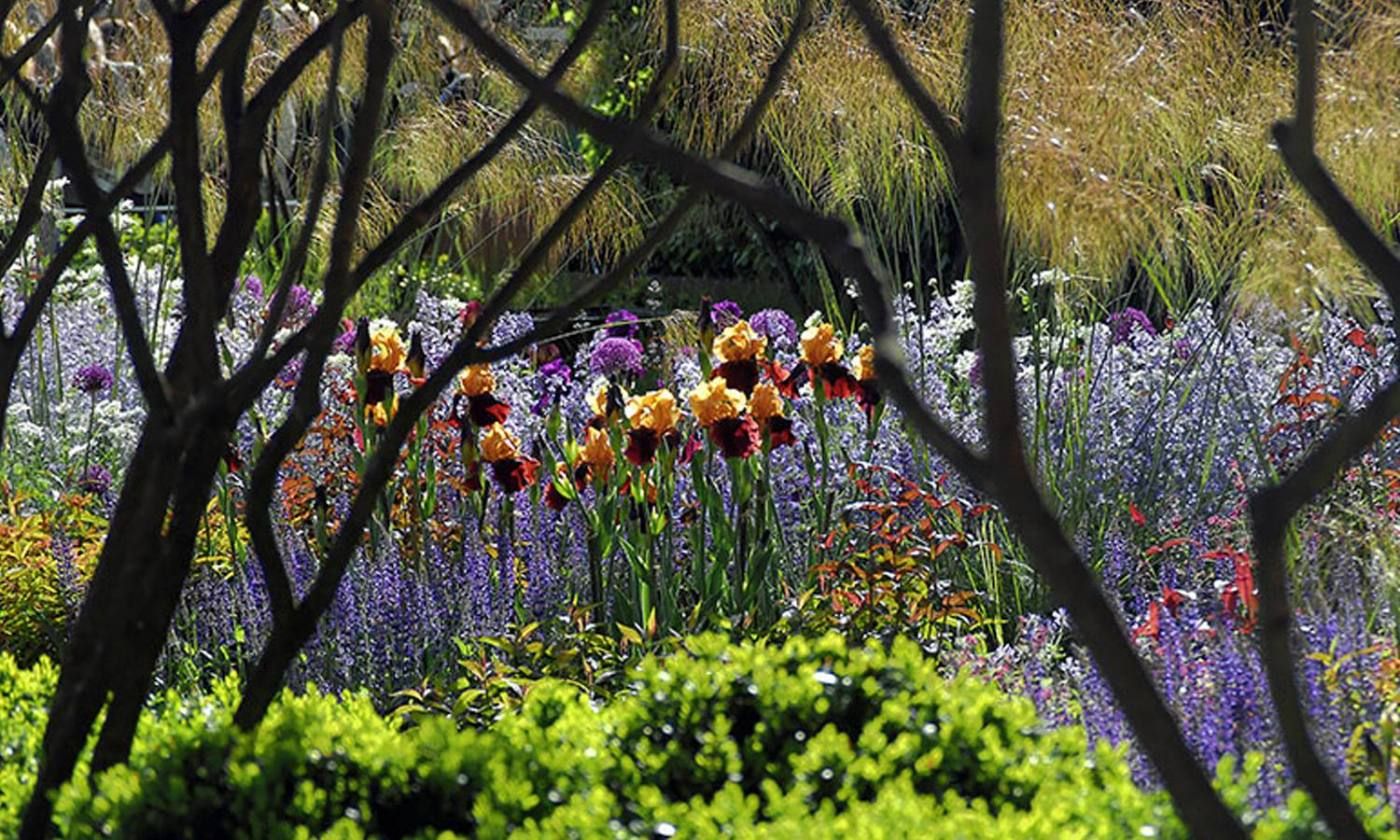
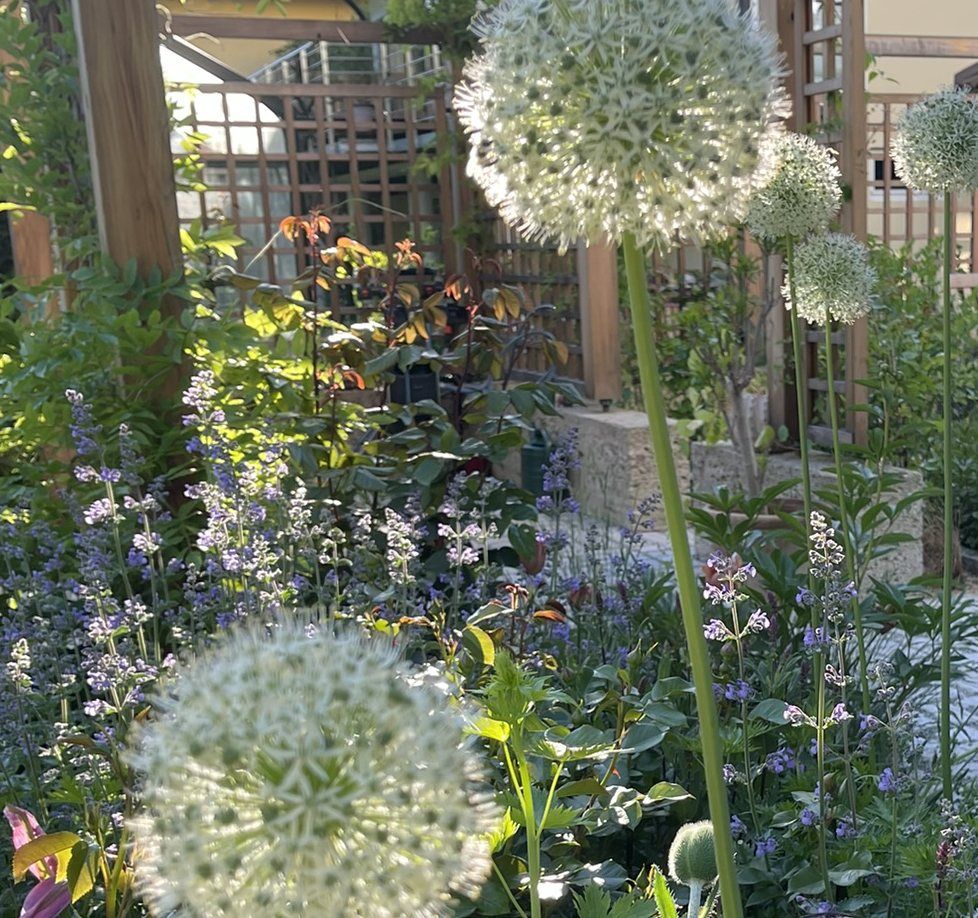
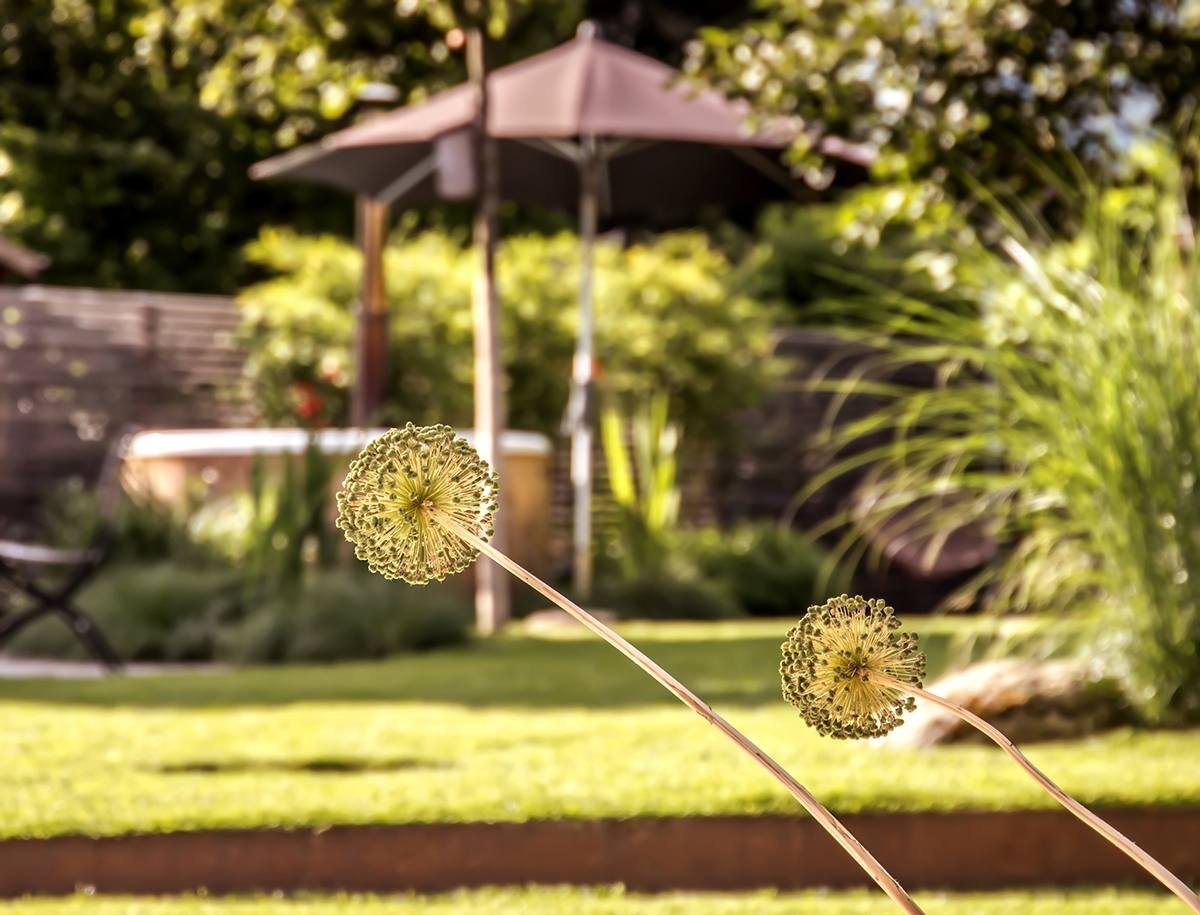
01Roses, alliums – and the horizon.
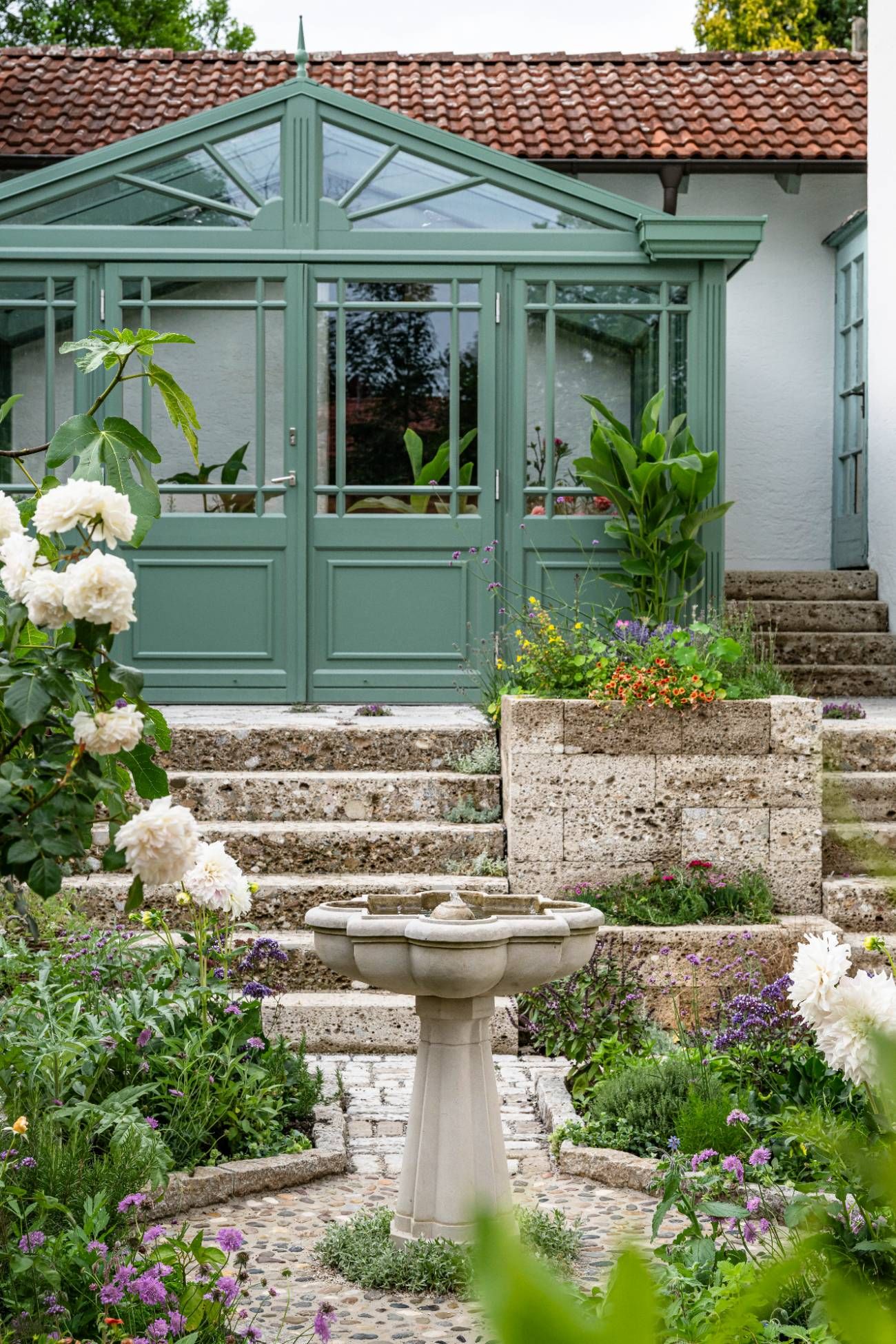
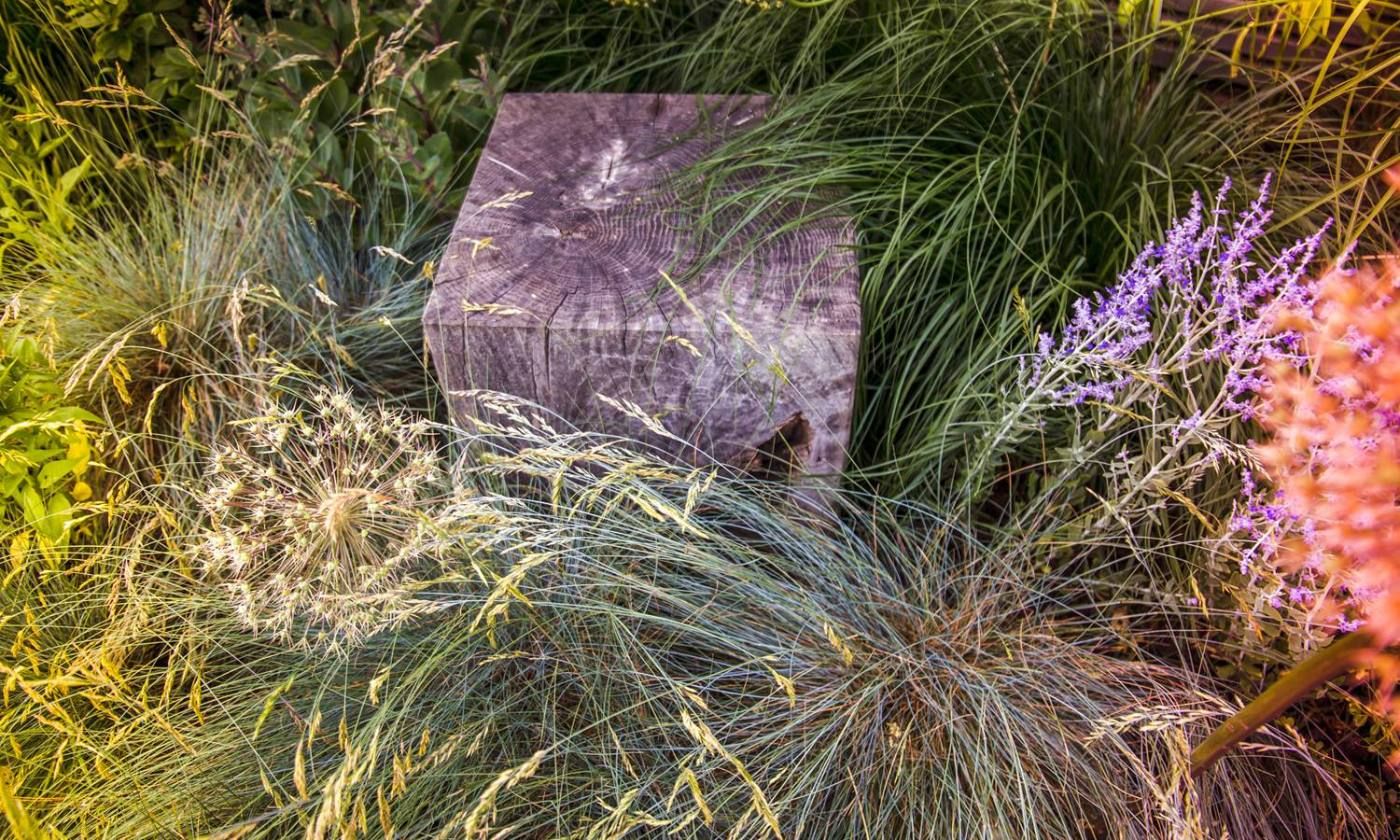
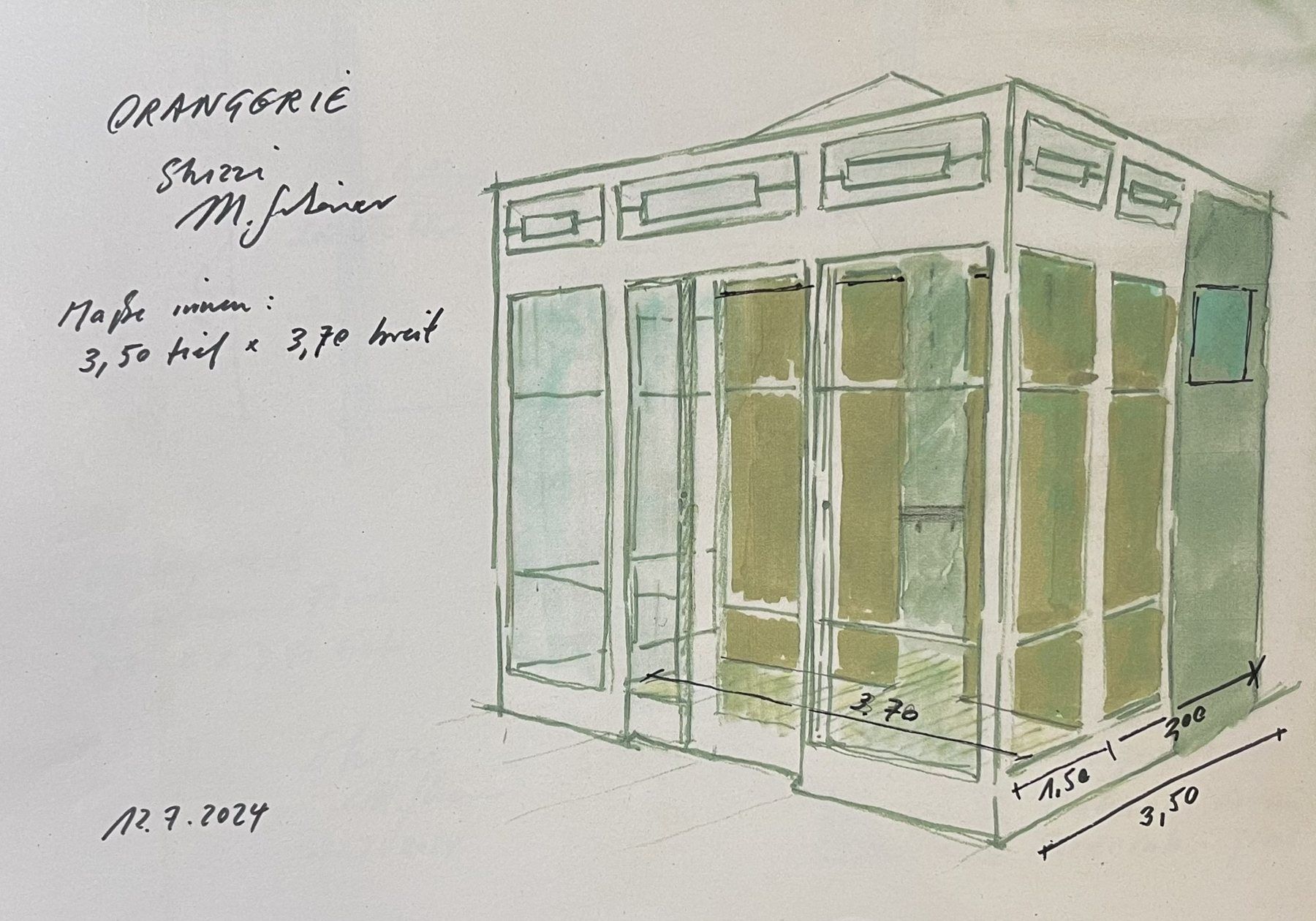
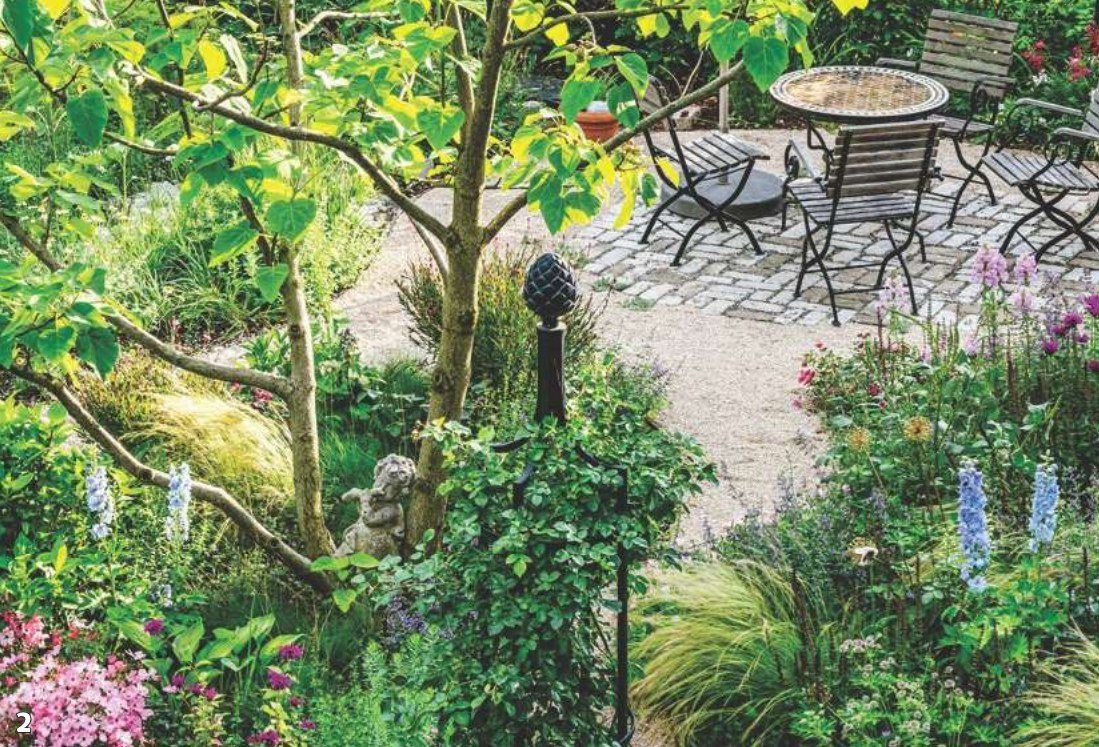
02The orangery. A place of scent and winter light.
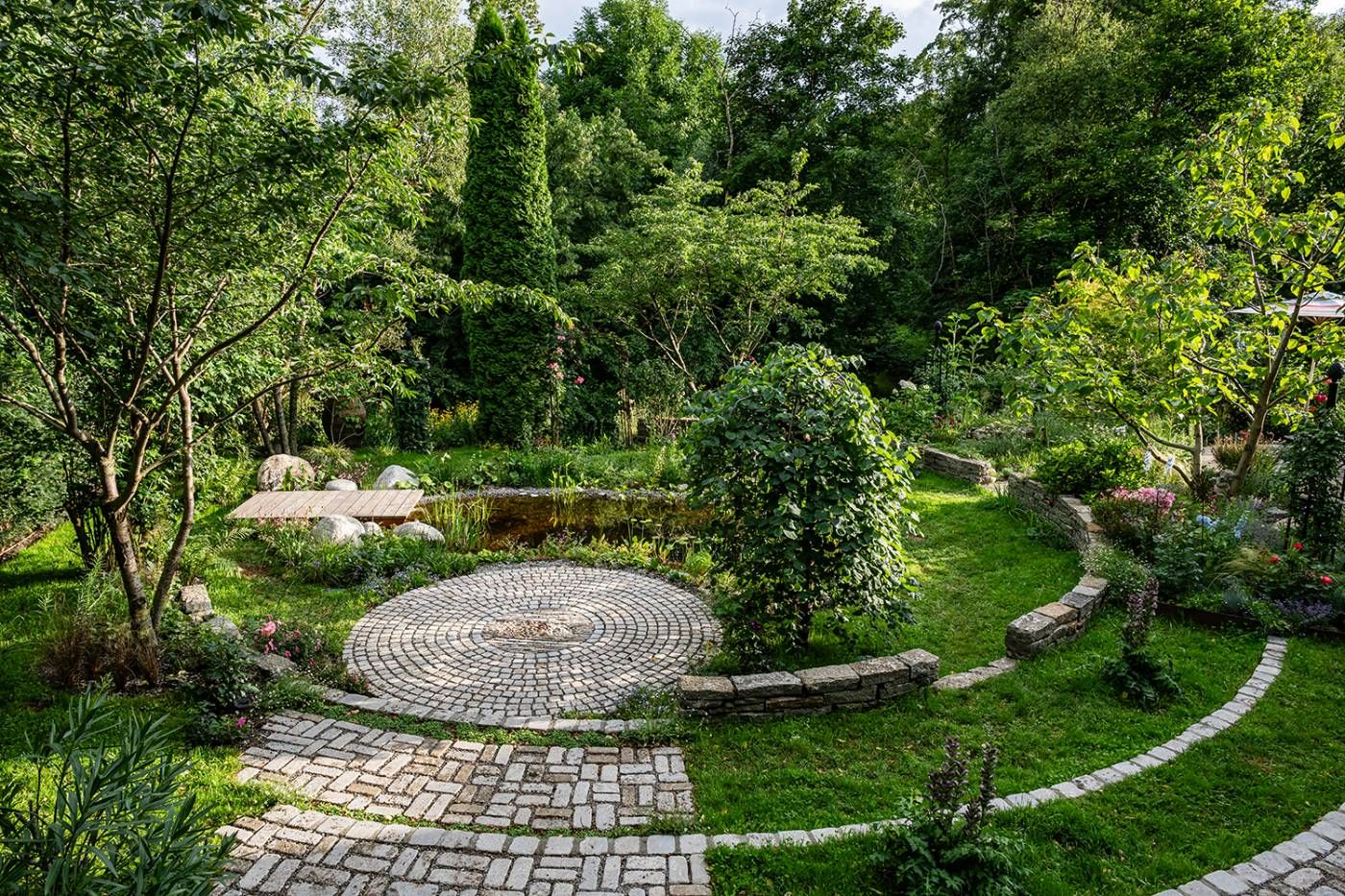
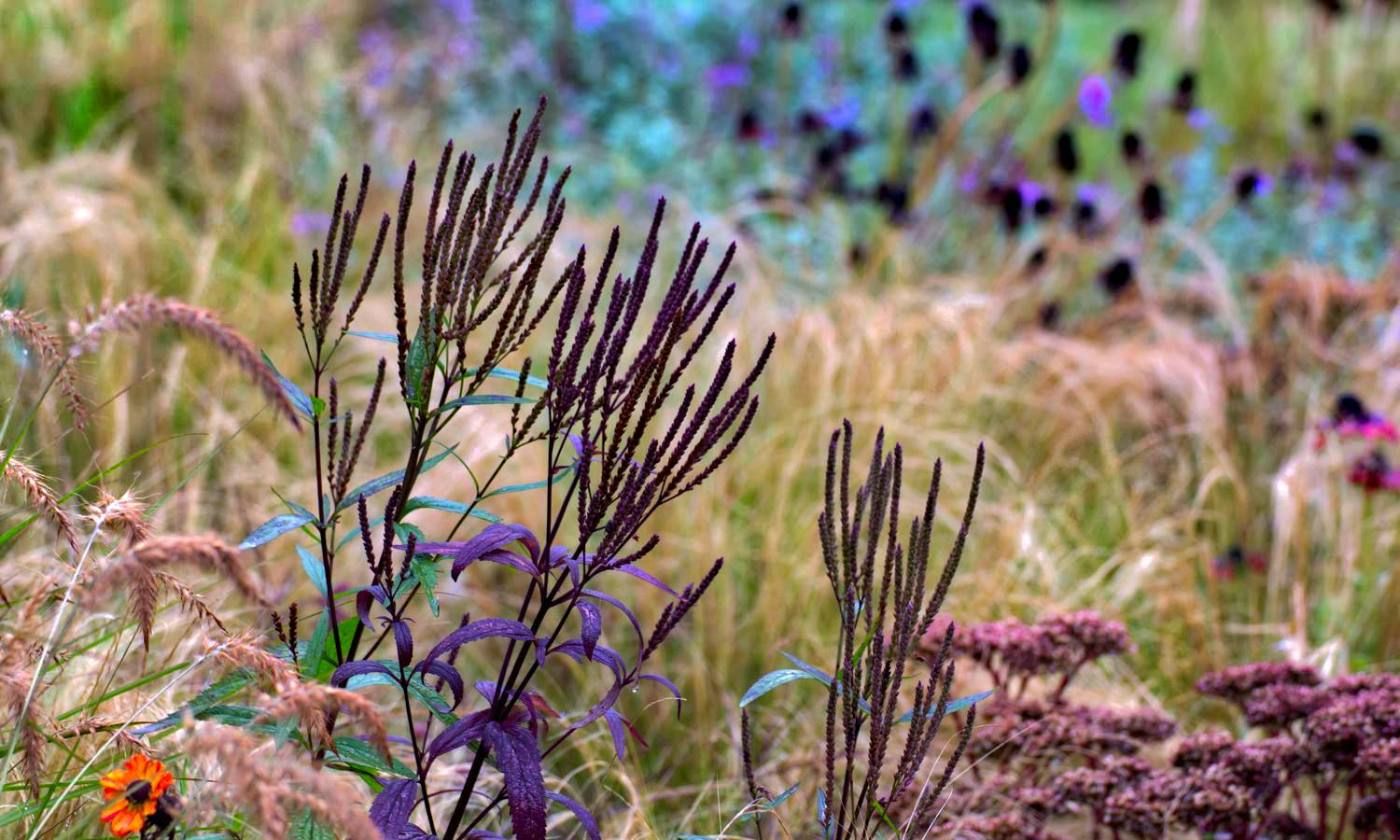
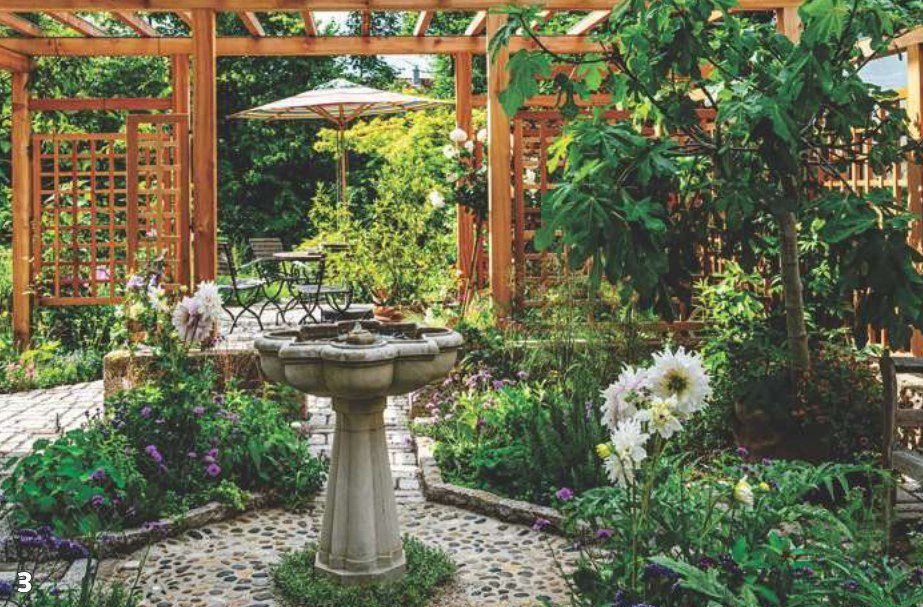
03Paths that follow the water.
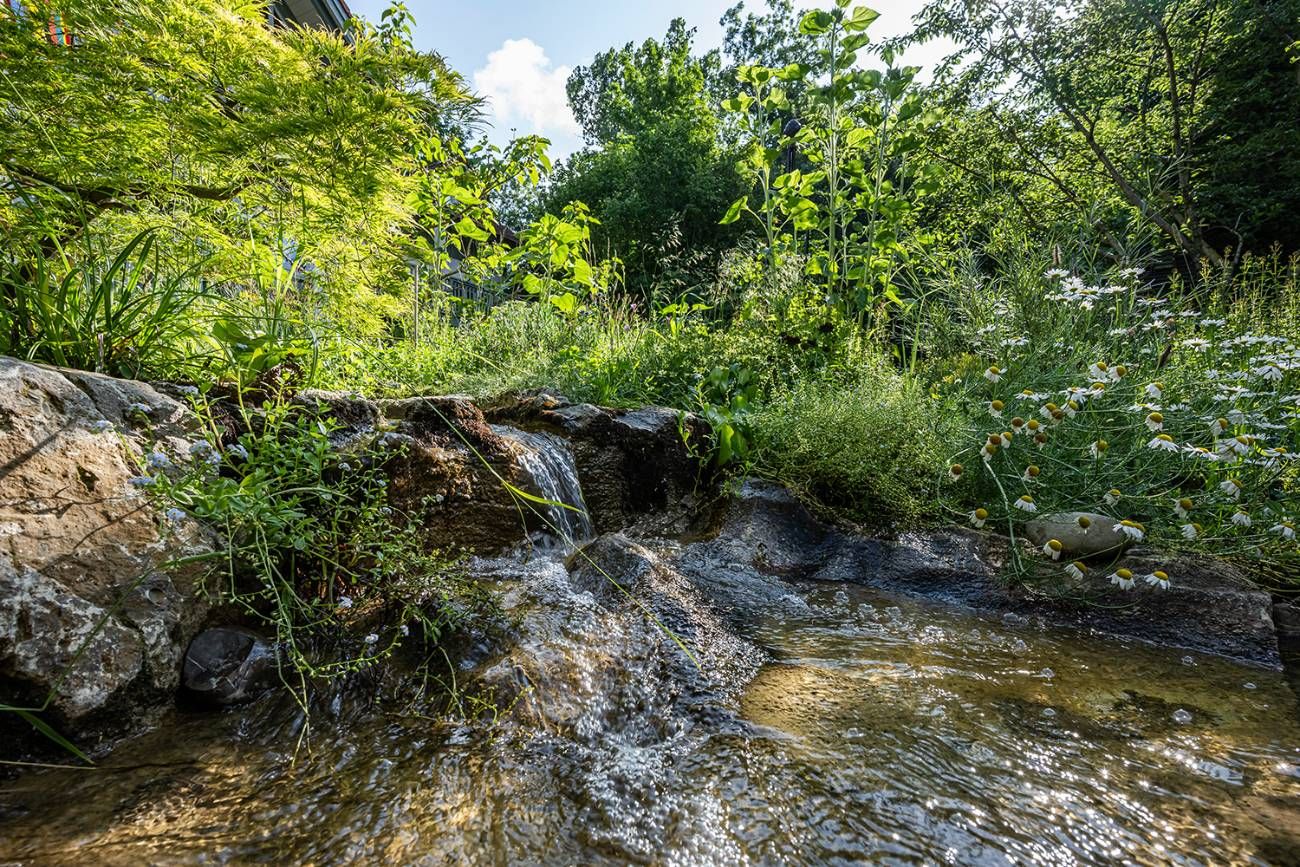
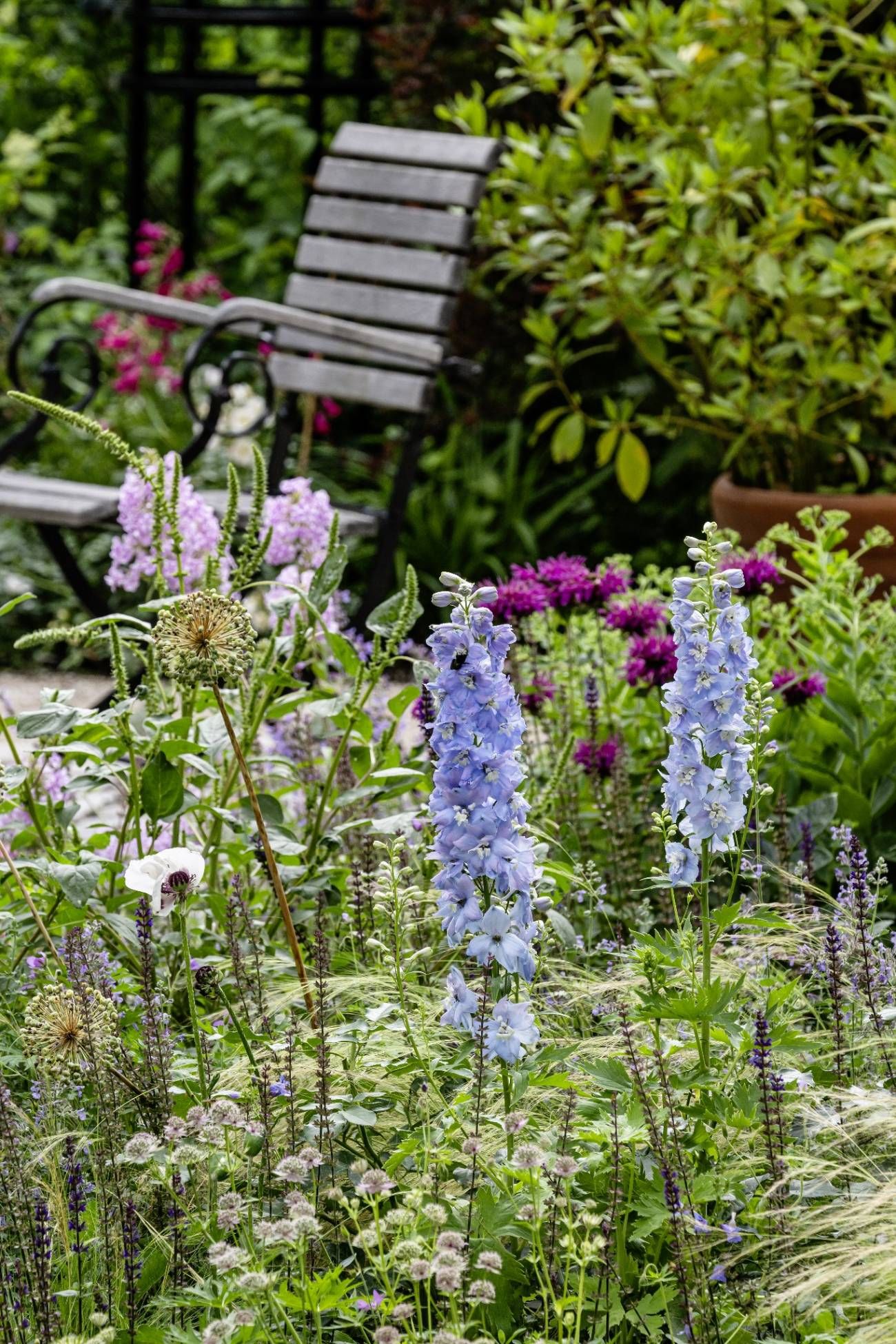
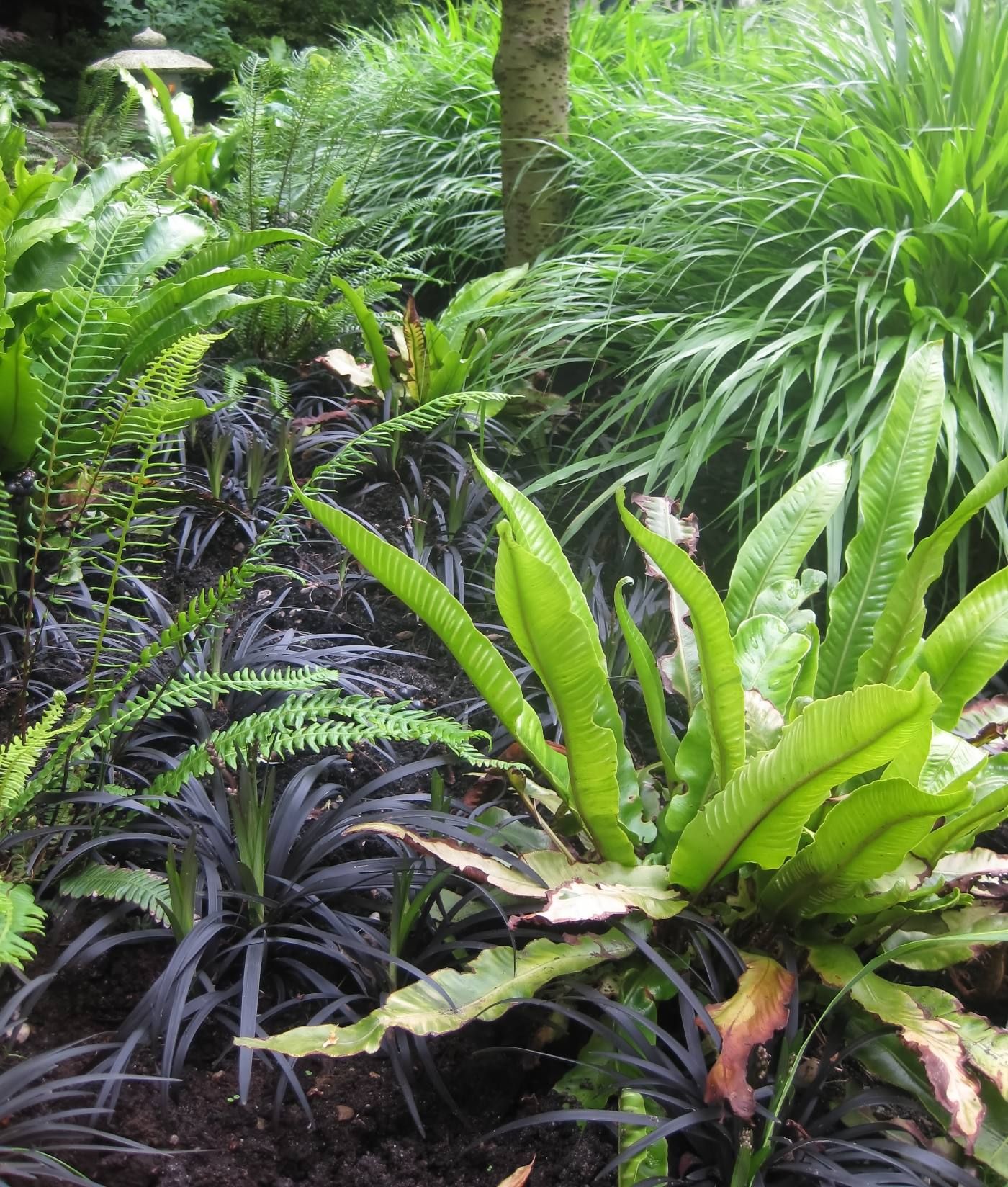
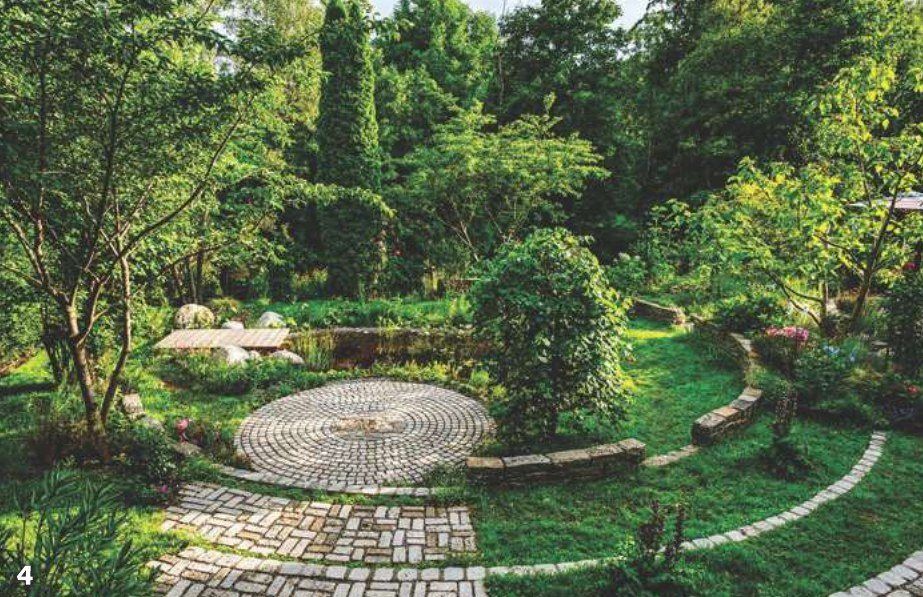
04Stone, water, grasses: a calm you can hear.
“A place succeeds when its elements do not merely exist side by side, but when their relationships give rise to a shared quality.”
Selected gardens
Of its place, its light – and the people who live there.
Private garden · water, stone and horizon
A pool that mirrors the sky. Alliums and catmint along the edge, warm wood underfoot, the eye running out to the horizon – a place for long summer days.
Windach · Gärten des Jahres 2026
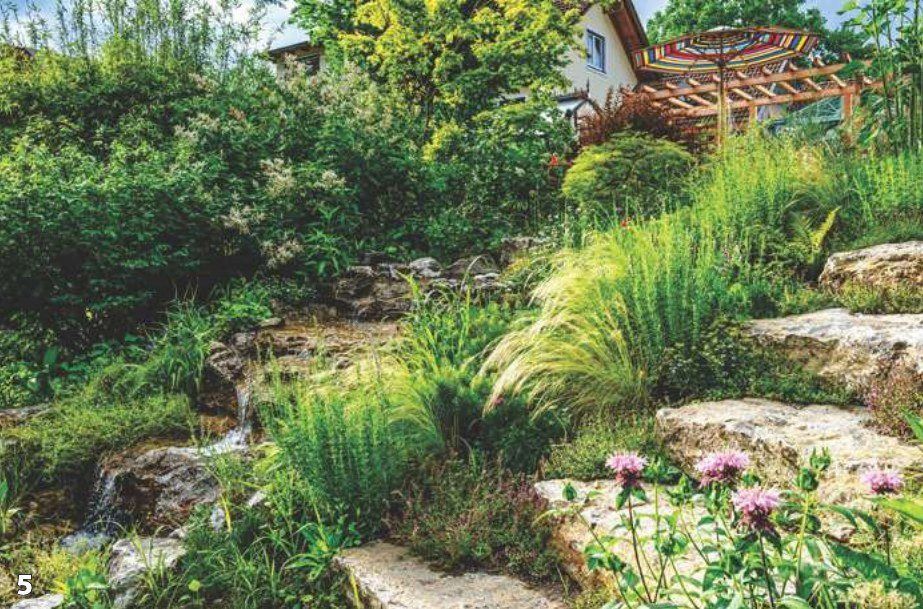
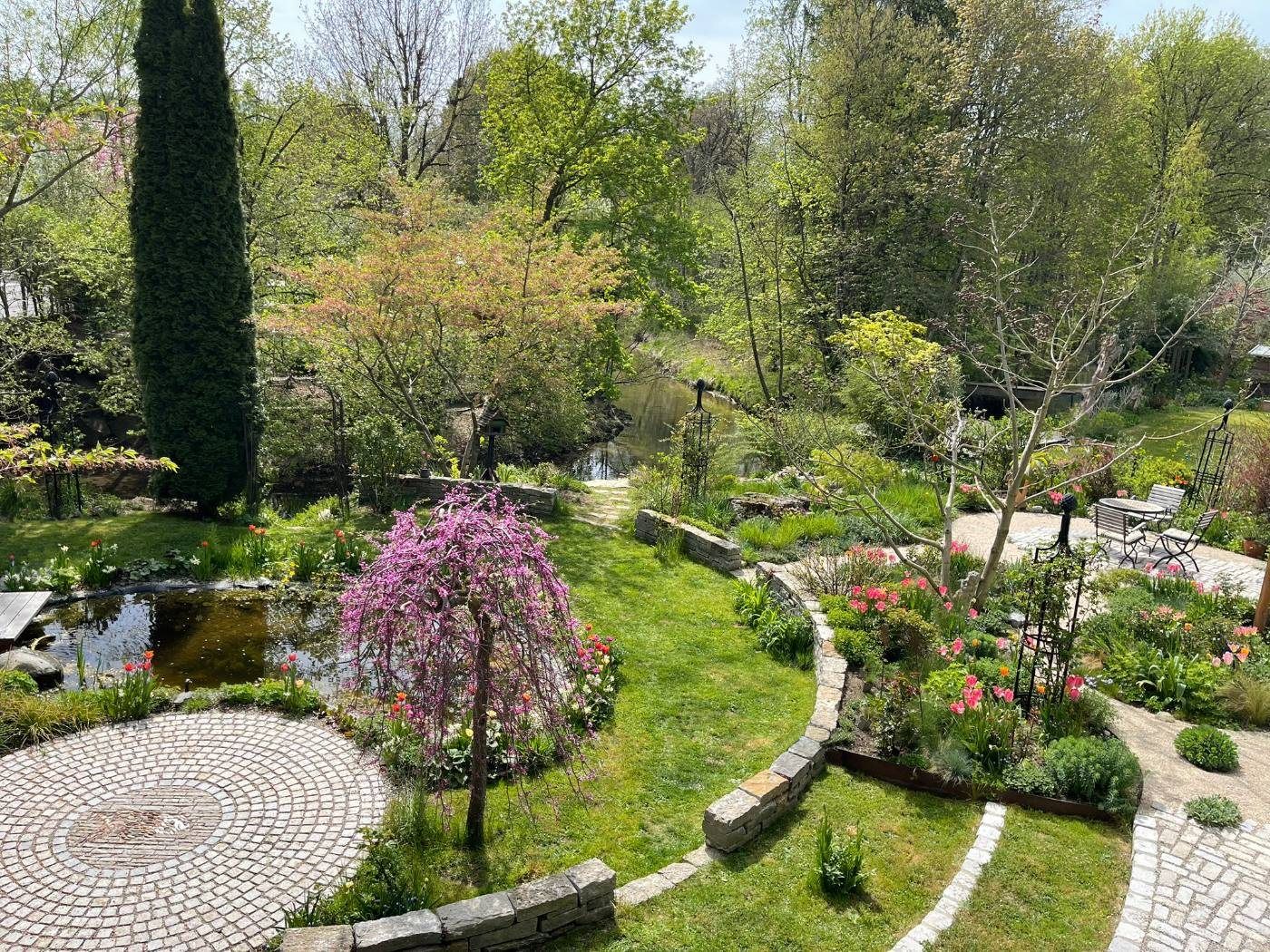
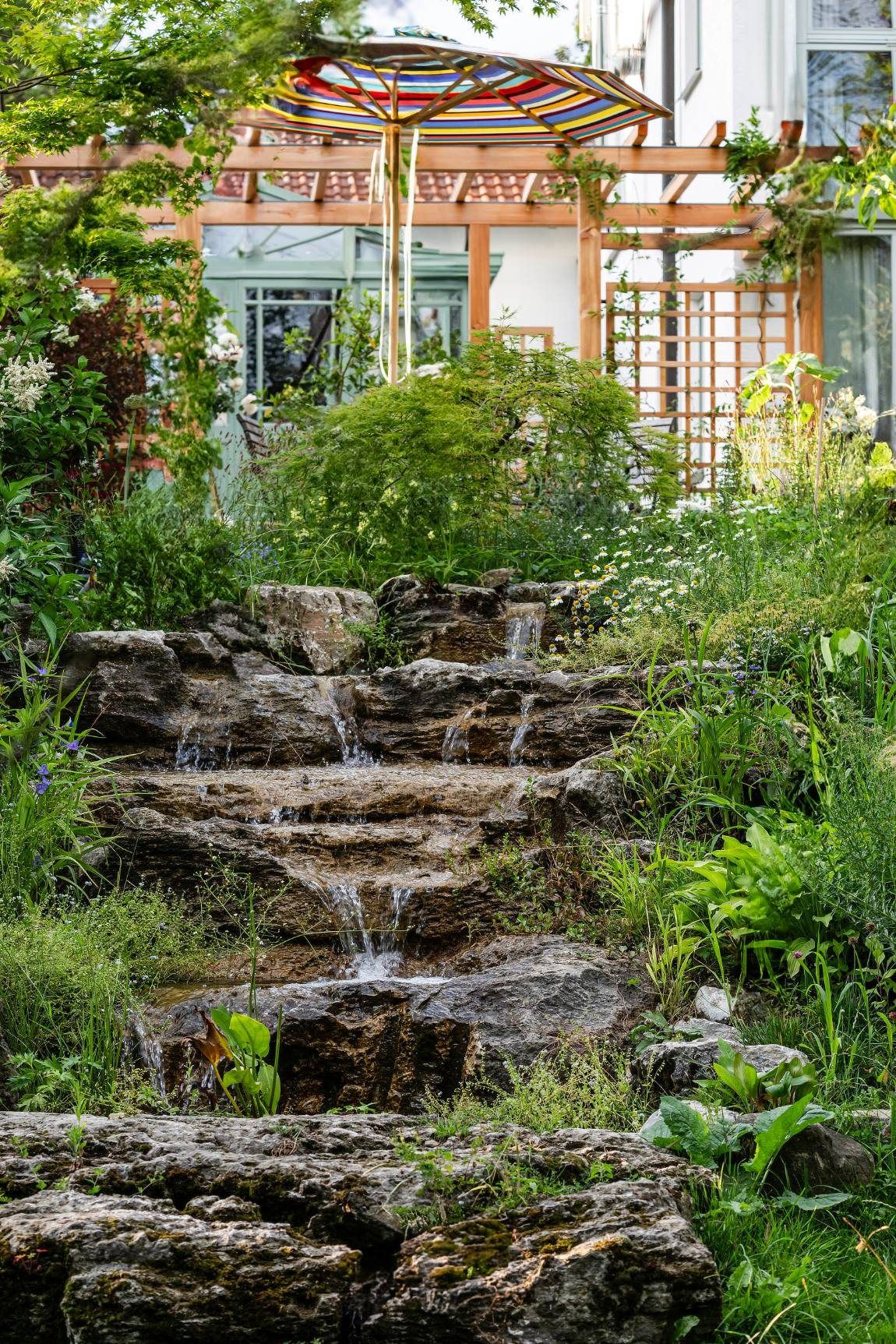
Where there was once a lawn, a stone stream now runs down to the river. Soft paths, a circle of stone, an orangery – a garden that seems to have always been there.
Designed from a distance
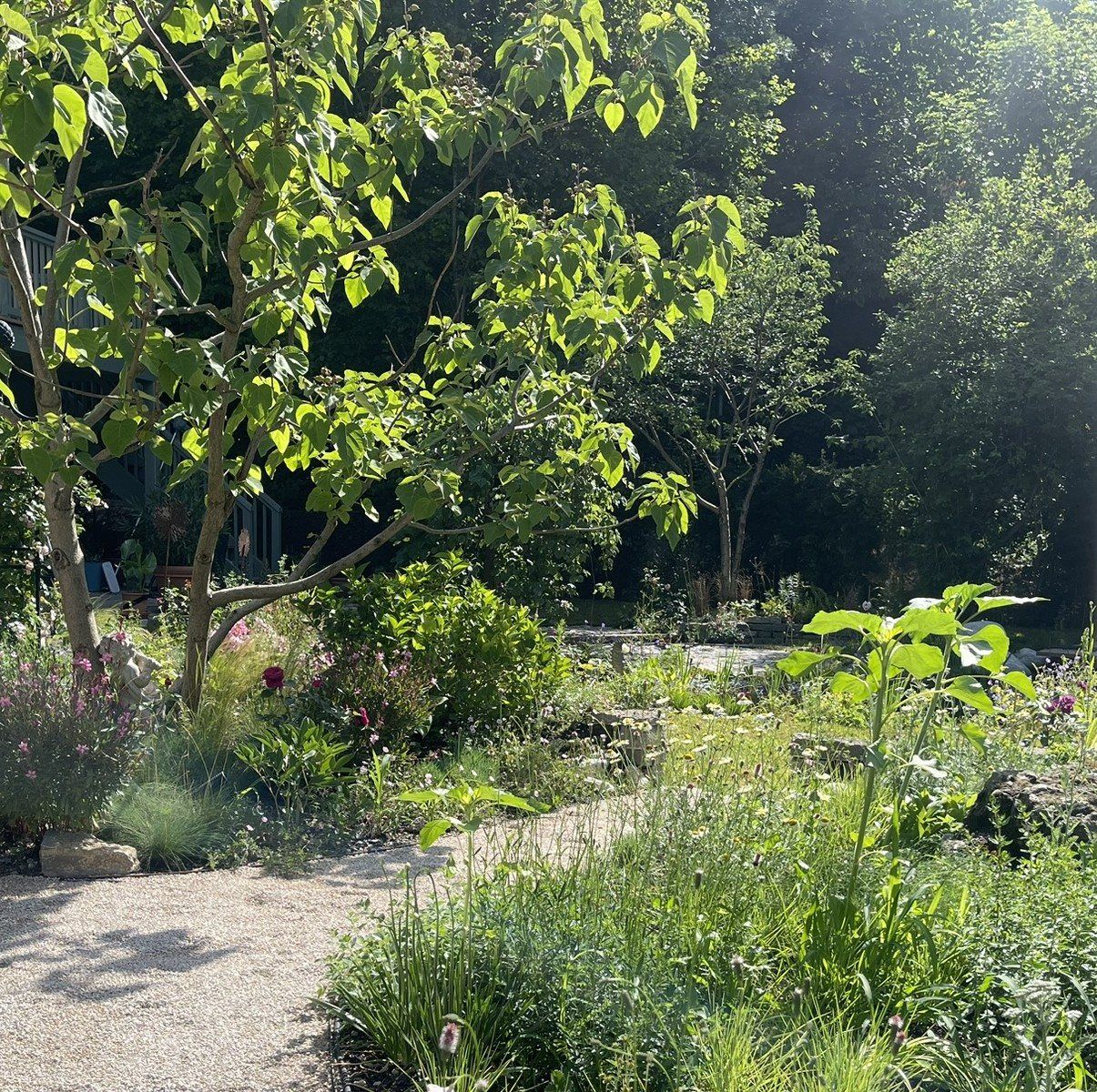
Two neighbouring gardens, one shared breath: grasses in the wind, warm wood, a parasol in dappled shade. Designed by video – carried out down to the last detail.
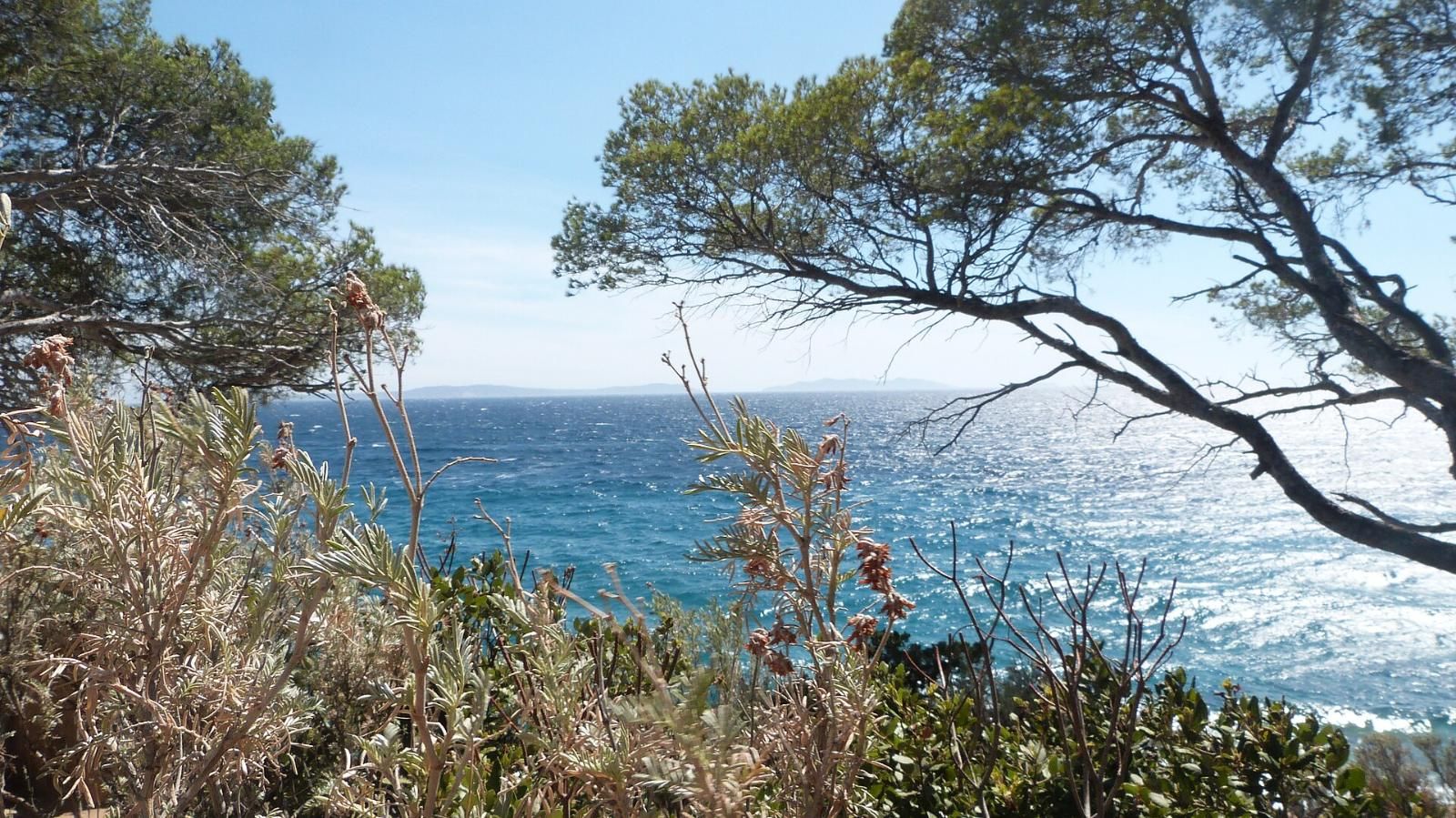
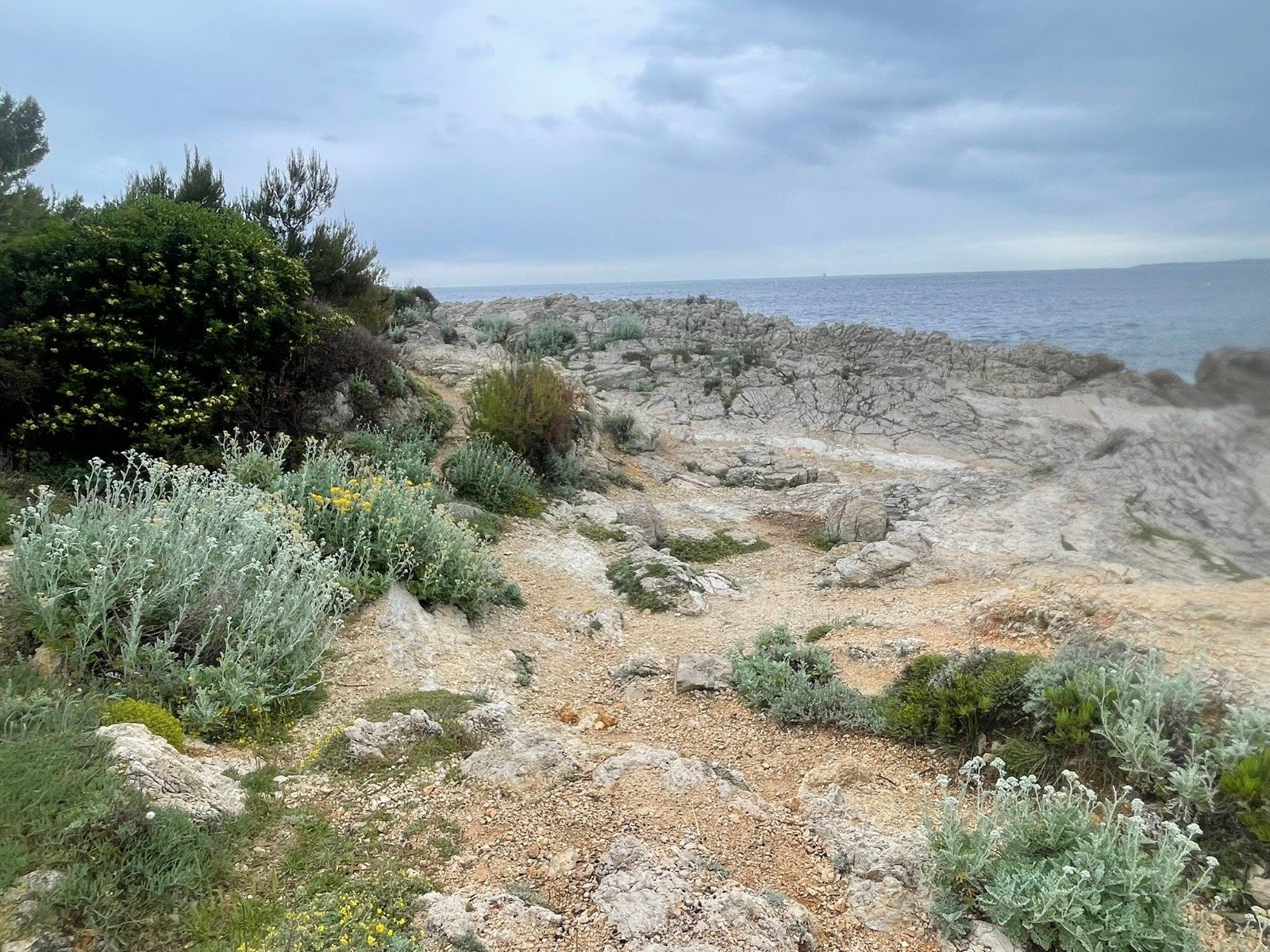
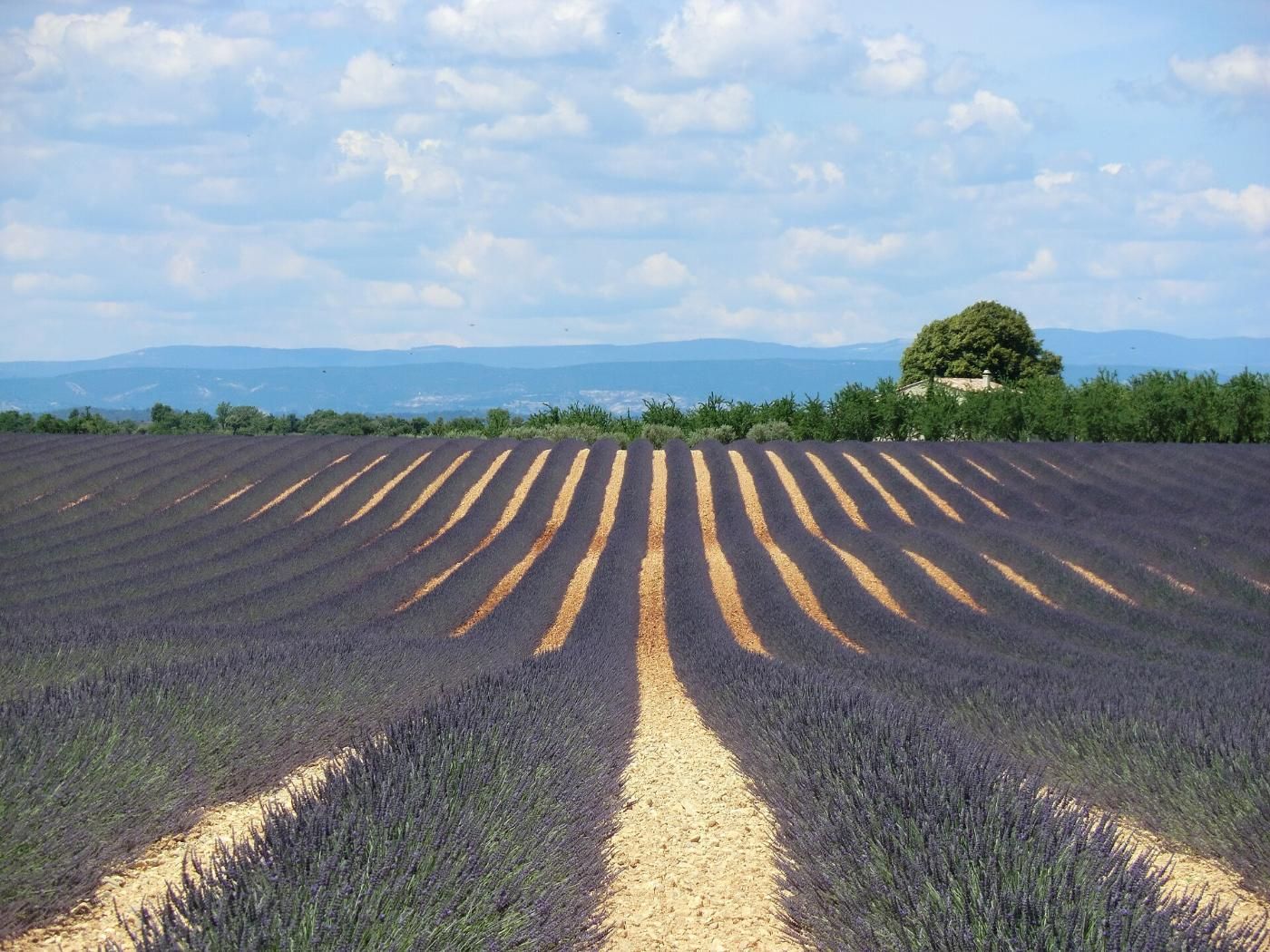
Pines above the sea, limestone and everlasting flowers, lavender in the warmth of the evening. A garden on the Côte d’Azur takes in this landscape – and lives on little water.
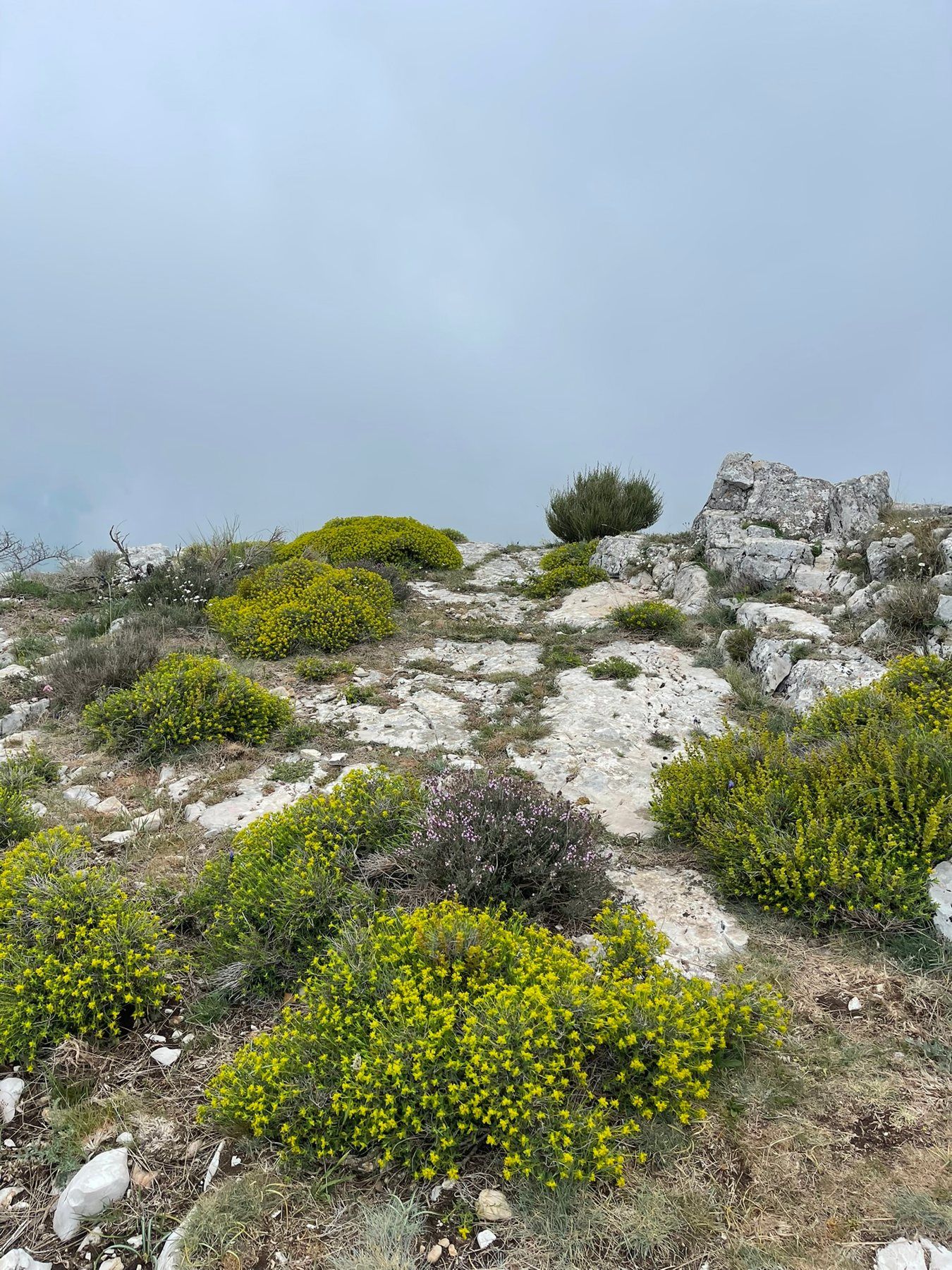
01Garrigue above the sea
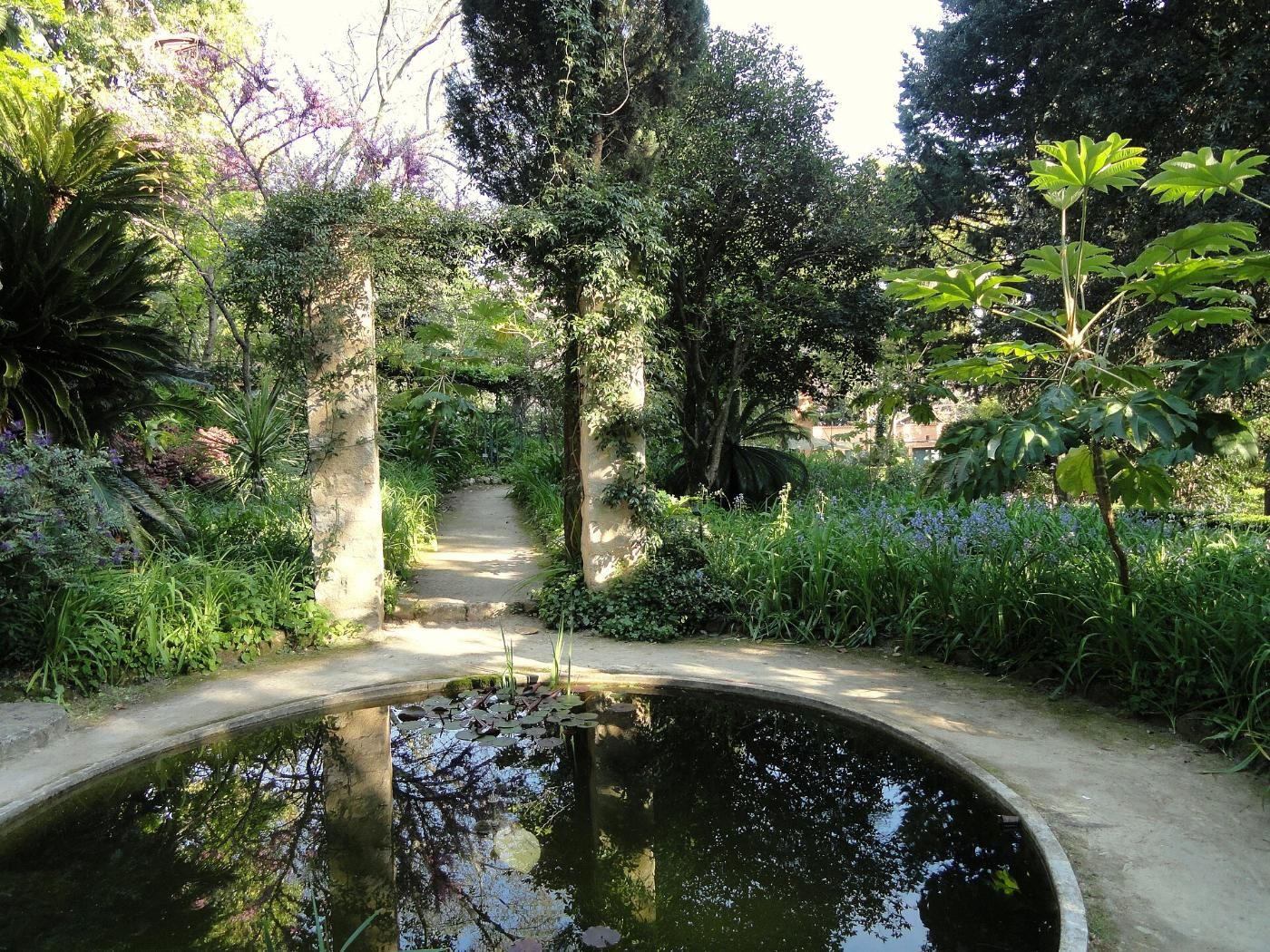
02Serre de la Madone, Menton
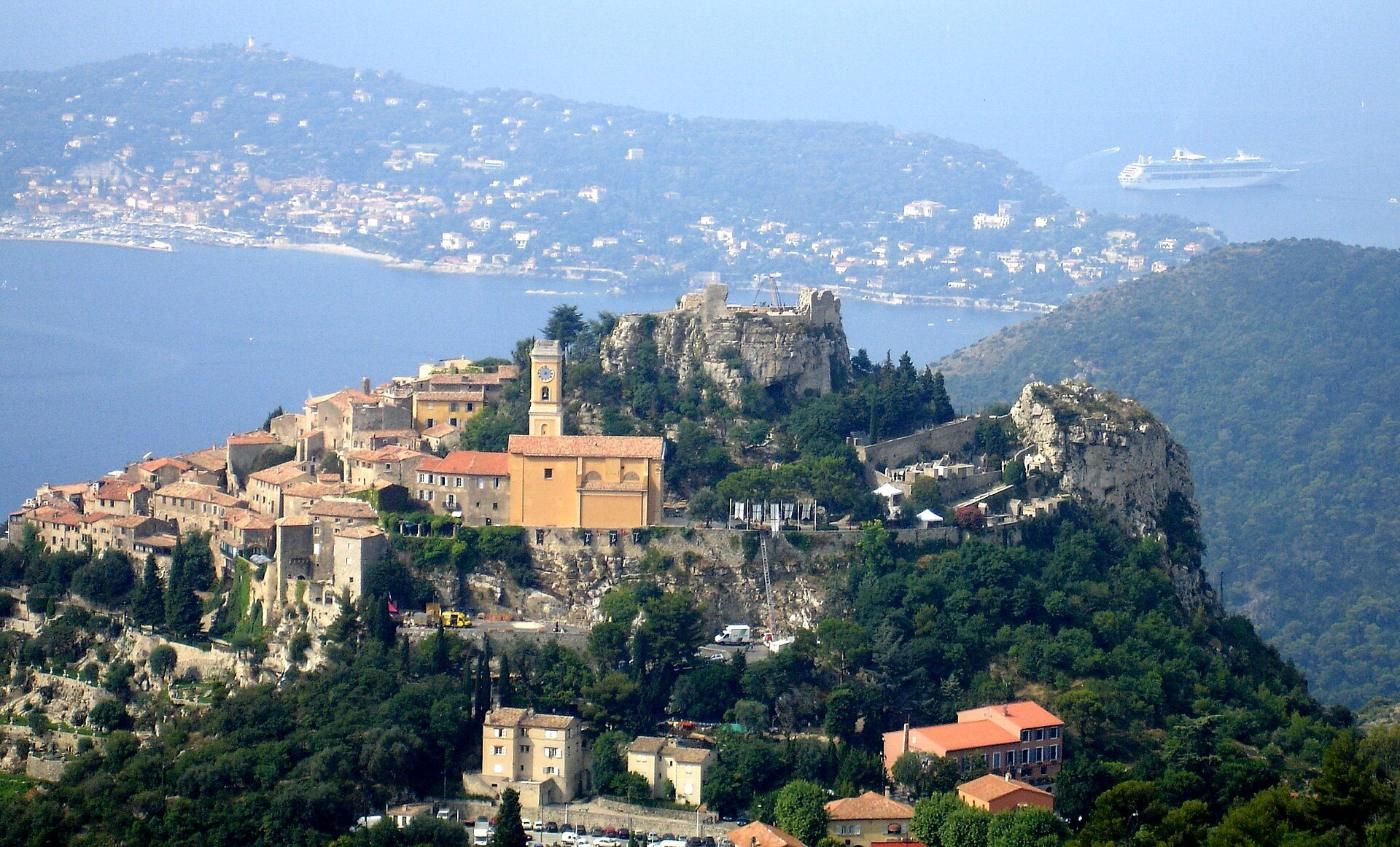
03Èze above the Côte d’Azur
Behind every picture, a poem – move over it and it slowly turns.
{{cur.latin}}
{{cur.name}}
{{cur.poem}}
Approach
My signature lies in how people, landscape, plants, light and material enter into dialogue – within a clear spatial order.
Form makes these relationships tangible. And it is in the making that intention becomes – or fails to become – a living space.
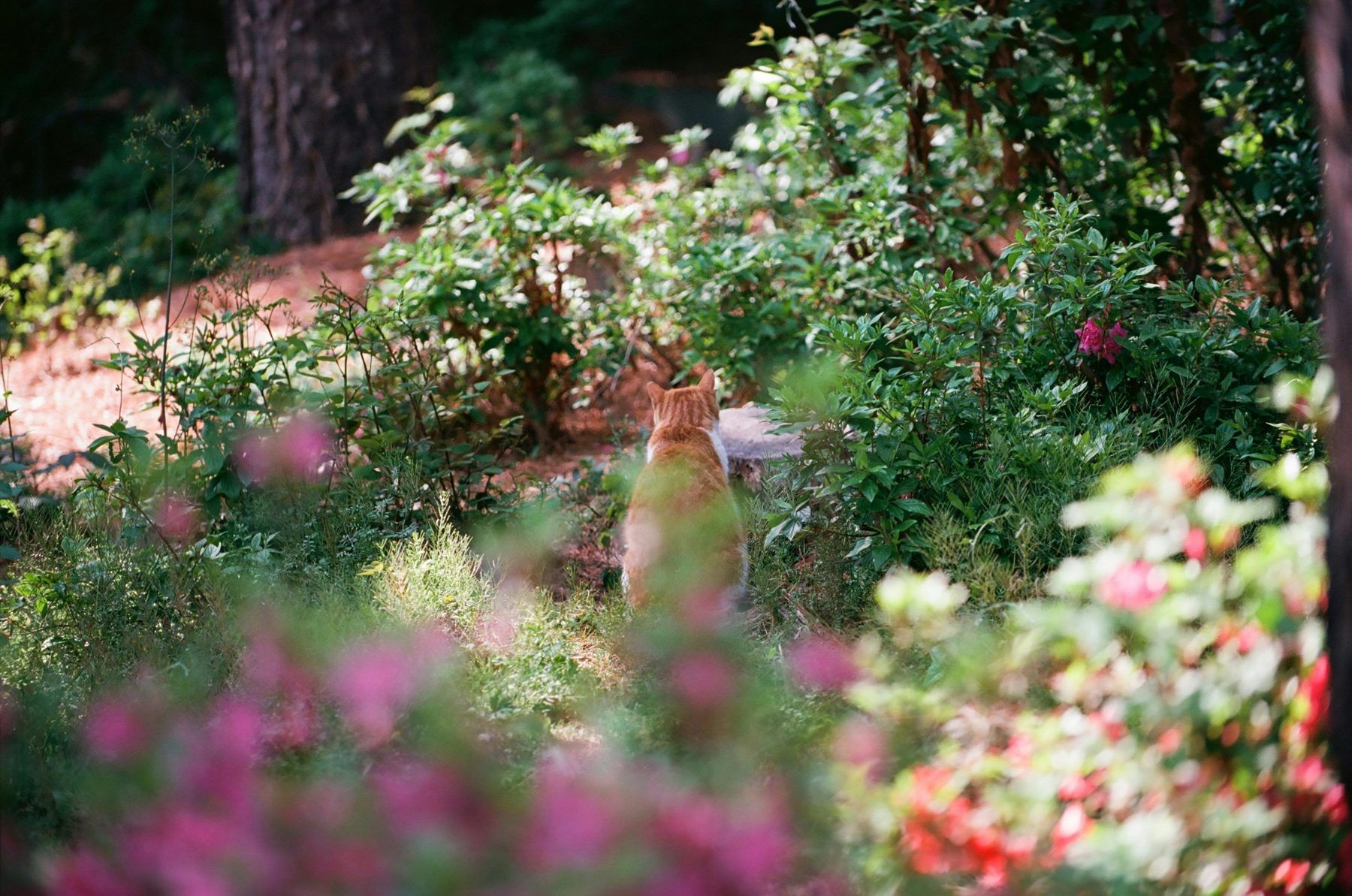
05Conviviality: room for people, plants and animals.
Thoughts
Beauty is not a luxury. It is what makes us stop – and be fully present, if only for a moment.
A garden only opens itself to those who walk slowly. Every step shifts the picture, every hour the light.
In the South, light is a building material. It shapes shadows, paths and moods – long before the first plant goes in.
Thoughts
People sometimes ask me whether a garden should first be beautiful or first be useful. I think the question is the wrong way round. Beauty is useful. It is even necessary.
Think of the moment you open the shutters in the morning. If your eye falls on a wall, the day begins. If it falls on an olive tree moving gently in the light, it begins differently. More slowly. You breathe.
That is what I mean by nourishing. A beautiful garden asks nothing of you – it welcomes you. It gives you a place to sit for no reason, a scent of thyme as you pass, shade at the right moment. Small things. Together they change the way you live in a house.
The beauty I look for is not spectacular. It appears when every element – stone, plant, light, path – finds its right place in relation to the others. Then the garden becomes a place where you want to stay. And that is often where the loveliest moments of life begin.
Maryvonne
Thoughts
When I come into a garden for the first time, I don’t reach for the tape measure. I walk. Slowly. I stop where my eye stops of its own accord, I go back, I sit on a low wall.
As a child in France, I learned to look this way: by wandering without aim through landscapes and gardens. You discover what no plan ever shows – the corner sheltered from the wind, the spot where the evening sun lingers, the view that suddenly opens between two trees.
A beautiful garden reveals itself like a walk. It does not show everything at a glance. A path that turns, a hedge that hides and then reveals, a bench placed exactly where you want to pause: that is how a space comes alive – and how a small plot can feel wide.
For you, this means a garden you truly walk through – a little differently every day, in the rhythm of the seasons. A garden that invites you to slow down, without ever asking you to.
Maryvonne
Thoughts
In the South, light is not a backdrop. It is a material, like stone or wood. Hard at midday, golden in the evening, almost blue in winter. A garden on the Côte d’Azur takes all of this in – long before the first plant goes into the ground.
Before I draw, I observe. Where does the shade fall in July? Which façade burns in the afternoon? Where does the morning light pass through the leaves? The answers decide the place of a terrace, a pergola, a tree.
Then I choose plants that know how to play with this light: grasses that glow against the sun, the silver leaves of olive and everlasting flower that throw the brightness back, lavender that darkens at dusk.
What you gain is simple: shade where you need it, coolness in the hot hours – and every evening that moment when the garden seems to glow from within. A garden that lives with the sun instead of fighting it – and needs less water.
Maryvonne
Services
On the Côte d’Azur and in Provence – for new or existing gardens, for your main home or a second home.
From the first step on your land to the last stone: a garden with a clear order and a free, living beauty.
Plants attuned to soil, sun and water – and to the time you want to give your garden. Beautiful in every season.
For a second home, or when you are not on site: design step by step, wherever you are.
About
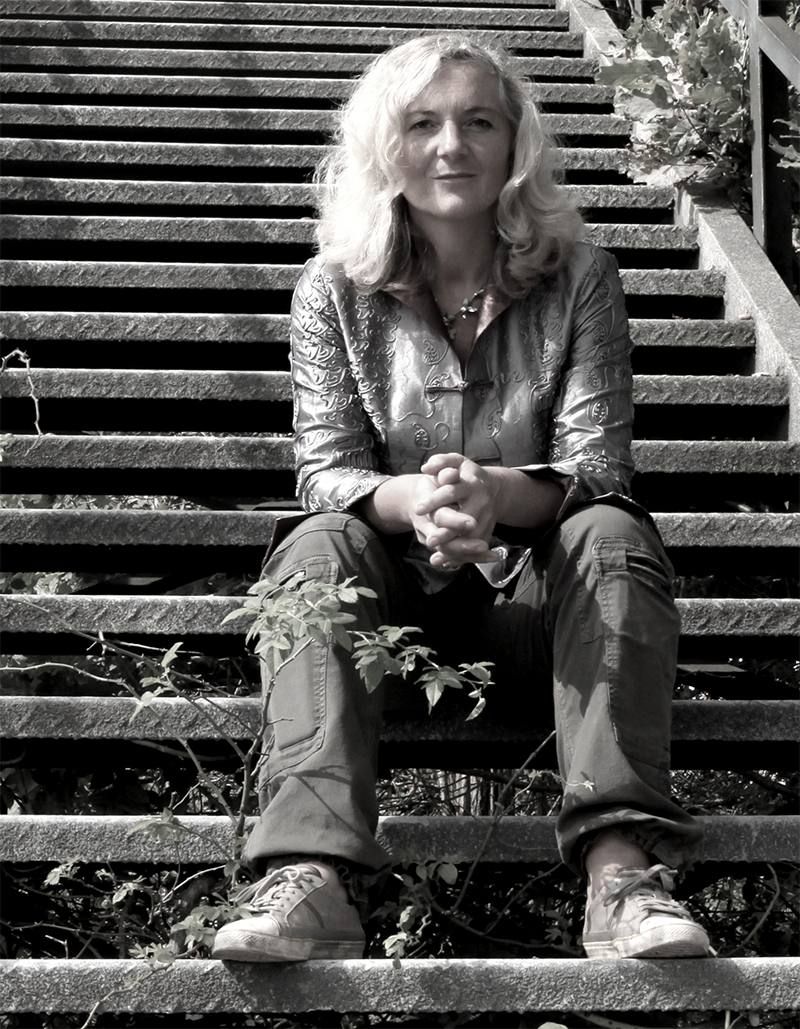
As a child, France taught me how to look: the breadth of its landscapes, its art, its gardens – and the people who live in them. Even then I sensed that beauty only comes alive when it is lived in. Today I create gardens that do exactly that: they invite you to stay.


Among the 50 most beautiful private gardens: “Gärten des Jahres” 2023 and 2026, Callwey
Press · Gartenpraxis 10-2026
On the banks of the Windach in Bavaria, a simple lawn became a garden that answers the river – selected among the fifty most beautiful private gardens of the year.
The Windach flows past in a gentle curve just below the garden. The little river became the landscape architect’s source of inspiration: water, in its many forms, lies at the heart of her design, which holds the balance between the natural and the artistic. The garden thus settles into its rural surroundings of extensive meadows, small streams and local stone – elements the designer takes up and interprets in a contemporary way.
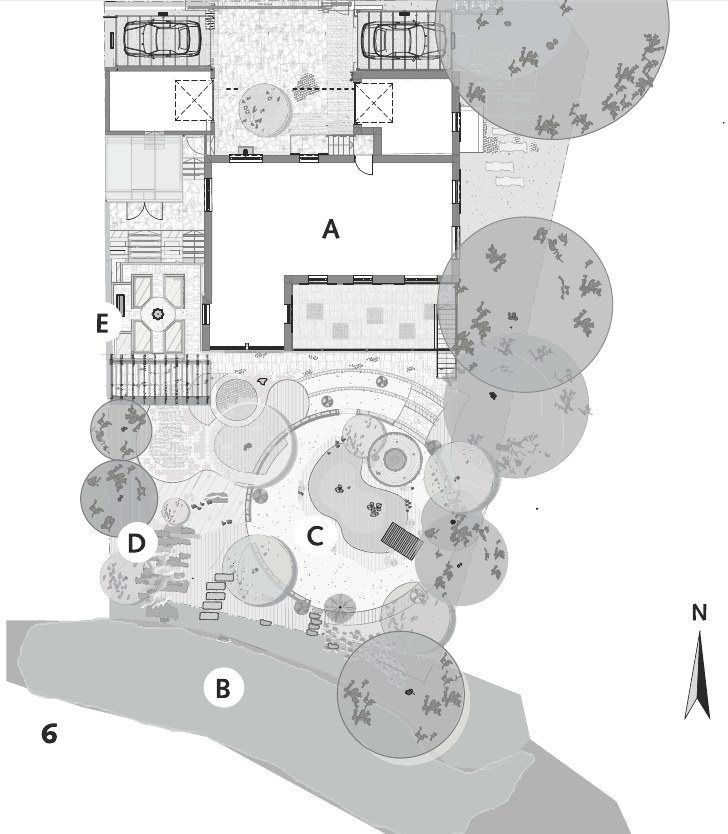
Originally there was only lawn here, with a butterfly bush (Buddleja davidii) in the middle. The view of the water was blocked by a green wall of pines along the public bridge. For Maryvonne Schöner it was clear from the start that this was about more than ecologically enhancing a strip of riverbank: “We can turn the garden into a space of resonance – a quiet, living answer to the river. The Windach brings an attitude with it: to flow rather than fix, to stay open rather than enclose.” This principle runs through the whole design. Paths follow gentle curves, beds of perennials stretch across the site like currents. A central pond becomes the calm heart. “Nothing is rigid – everything is in relationship.”
With the pines removed, the Windach came into view – and so did the bridge and the glances of passers-by. As the work went on, the bridge became a stage and the transformation of the garden a social event, as the villagers followed it with keen interest. “What could be more beautiful than to set off such resonance through design?” says the designer. The “boundary” is now open and still offers privacy: the view towards the bridge is drawn away by a wide-crowned Japanese cherry (Prunus serrulata), and tall grasses form a screen like a transparent curtain. The designer turned the slope into a flowing sequence of clearly structured yet sensuous garden rooms that never lose their connection to the water.
This is where mastery of craft unfolds. In the lower part, a hand-laid natural stone stream runs gently down to the Windach, echoing the character of the river. In the upper part, an orangery marks the highest point. A herb garden inspired by monastery gardens, with a fountain, brings together usefulness, scent and stillness. A pergola links the upper garden rooms with the main garden. Gravel paths and dry-stone walls give the site its structure, and a generous stairway leads down to the river. Thanks to regional materials – shell limestone, Nagelfluh conglomerate, larch wood, river gravel – these elements blend into their surroundings.
Large trees with character were carefully integrated and form a protective framework. “With their finely drawn play of light and shade, they create the atmosphere that makes the garden what it is: a place that has not simply been planted, but is guided by light,” says the designer. Perennials, grasses and wild plants create habitats for insects, birds and amphibians. Single, nectar-rich flowers such as Achillea, Coreopsis, Anthemis or Linum perenne feed insects. Labiates such as calamint and Origanum attract many species of wild bee. Ornamental grasses such as Deschampsia, Molinia and Sesleria structure the space, set the garden in motion and offer shelter even in winter.
Although the garden has existed for only a few months, it is already part of the landscape – thanks to a sensitive design that does justice to nature while meeting the owner’s wishes. An unmistakable sign of success: only a few weeks after planting, the garden was already alive, with frogs and insects in and around the pond.
“The garden was designed with respect for the place, the soil and the living creatures, who accepted it at once. It feels like borrowed time: as if nature had long been preparing this place itself – and was only waiting for someone attentive enough to recognise it. This garden is a living example of how quickly nature returns when you take it seriously – and how deep the effect can be when design means not control, but trust,” says Maryvonne Schöner. A garden like this leads back to what is essential – it lets you understand change as part of life and shows how connection grows in stillness. And when you are there, you can feel it.
Original article in German: “Geprägt von der Flusslandschaft”, Gartenpraxis 10-2026. Text: Susanne Wiborg, Konstanze Neubauer. Photos: Ferdinand Graf Luckner; plan: Schöner Gärten. Unofficial English translation.
Tell me about your place. In a first conversation we walk through your garden together – on site in Nice and along the Côte d’Azur, or by video – and you discover what it can become.
The easiest way: message me on WhatsApp or give me a call – I reply personally, in English, French or German.
Provisional version – the details highlighted in yellow must be completed and the text checked by a legal professional before the site goes live.
Maryvonne Liana Schöner – L’Architecture du calme
[Legal form]
[Full postal address]
Phone: +49 172 1857924
E-mail: bonjour@maryvonneschoener.com
SIRET: [SIRET number]
Registration: [RCS / RNE, city]
EU VAT number: [FR …]
Publication director: Maryvonne Liana Schöner
Garden and landscape design, planting plans, consultancy. [Professional qualification and, where applicable, registering body]
Professional insurance: [insurer, address, geographic coverage]
[Hosting provider’s name, address and phone]
Under French consumer law, consumers may refer a dispute free of charge to a mediator: [name and contact details of the mediator].
All texts, drawings and photographs on this website are protected by copyright. Any reproduction without written permission is prohibited. Photo credits are listed at the bottom of the home page.
We take the protection of your personal data seriously. This website complies with the EU General Data Protection Regulation (GDPR).
Maryvonne Liana Schöner, [address], bonjour@maryvonneschoener.com.
Getting in touch – When you contact us by e-mail or phone, we use your details only to reply and to prepare a possible collaboration (legal basis: Art. 6(1)(b) GDPR). Kept for 3 years after the last contact.
Garden Letter and free notebook – If you sign up, we use your e-mail address to send you the notebook and the Garden Letter, about four times a year (legal basis: your consent, Art. 6(1)(a) GDPR). Sign-up uses double opt-in. You can unsubscribe at any time via the link in every e-mail. E-mail service provider: [e.g. Brevo, Sendinblue SAS, Paris].
Hosting and server logs – When you visit, the hosting provider automatically records technical data (IP address, date, time, browser) to keep the site secure (legal basis: legitimate interest, Art. 6(1)(f) GDPR). Kept for no more than 30 days.
Fonts – [Host the fonts on the site’s own server before launch; otherwise mention the use of Google Fonts (Google Ireland Ltd.) here]
This website uses no advertising cookies and no analytics tools. Only technically necessary elements may be used.
Your data is never sold or passed on, except to the technical service providers named above, who are bound by contract.
You have the right to access, rectify, erase, restrict and port your data, to object to its processing, and to withdraw your consent at any time. To do so, write to the e-mail address above.
You may also lodge a complaint with a data protection authority – in France, the CNIL (www.cnil.fr).
Last updated: November 2026
a gift for you
12 plants that love the sun and need little water – with short poems, care tips and a calendar of the seasons. Free, by e-mail.
Thank you – it is on its way.
The notebook will be in your inbox within a few minutes. If not, please check your spam folder too.